Discipline: The 5 Practices – Practice 1

Exercise, Discipline, Sleep

Sometimes you need a little discipline. But perhaps not the way you think.

As I wrote  earlier on this blog, discipline is not the way to get going or even keep exercising.

For that, you need a Purpose. Otherwise, you’ll fail, or be very miserable in the process (or make a lot of people around you miserable, which is worse).

Discipline has more to do with strict regimentation of activities. It is a control mechanism, an enforcer of behaviour, not a motivation mechanism. So it is often tiring to use, depleting of energy, and detrimental in the long term.

But discipline is useful in many ways to keep you on target.

When you have a Purpose, at times you need to make sure you are able to stick to an exercising routine. You need to ensure that you do not put obstacles in your own way as you head towards a specific event/objective, or as you work towards better health through fitness.

So discipline enters into it, although perhaps not in the way you might expect.

This series of posts will discuss and illustrate what discipline is all about, and in which aspects of your life it can help you to move towards your goals.

There are essentially 5 ways, or 5 practices, of discipline to consider, in my estimation. Today I’ll cover the first practice; it is one that you may never have thought of as having anything to do with “discipline.” But under my definition it is.

Discipline Practice 1: Sleep

Get enough sleep, every day (night), both in quantity and in quality.

In a society where sleep is vilified, derided as a waste of time, is it any surprise coffee shops are doing so much business?

We live in a time of denials: denial of our deep connection to all living creatures, which causes us to destroy our environment; denial of our own limited knowledge, which causes us to think we can feed ourselves highly processed nutrients and it will be just as good as natural foods; denial of our animal nature, which leads us to believe we can function outside of the natural cycles we have evolved with.

I want to focus on the third of these denials, because it is driving us crazy, and preventing us from being as fit and healthy as we can be. I’m talking about our conviction that we should only sleep a few hours per day.

How often do you hear someone say things like “I only need 5 or 6 hours of sleep per night”? Or make even more extreme claims of that nature? Yet science is pretty clear on the subject: we need 7.5 to 9 hours of sleep per night, on average, to be fully functional.

Sure, you can get by less than that for a night or two in a row, but when you start accumulating a sleep debt, you rapidly get in trouble. Some people, a very few, can get by with less than the average (that’s why it’s an average, but that also means some need more). Those of us not getting enough sleep are asking for (and often getting into) trouble.

Read the Signs

Our society is making it sound like sleep is useless. But just watch the daily habits of those “more than 6 hours of sleep per night is a waste of time” folks. I guarantee you’ll see more than one of the following behaviours:

  • Lot’s of coffee drinking in the morning
  • So-called “energy drinks” during the day
  • Pastries and muffins for breakfast
  • Sweets and high-calories snacks
  • Meals eaten “on the go” for breakfast and lunch
  • Working in the evening
  • Not much exercising; if any, typically short and intense workouts
  • TV watching late at night

It is a “go, go, go!” lifestyle fueled by lots of drugs (caffeine, mostly, I hope) and lots of stimulating food (i.e. sugary, fatty). And with a constant bombardment of false urgency coming from work and the media, and the occasional short burst of intense activity.

When they finally fall asleep, it is only because their bodies are so tired that they manage to overcome the stimulants. Then they wake up groggy and tired, but won’t admit it, and start the cycle all over again.

This is no way to live. It takes a toll on your body, in many ways: lack of energy, weight gain, trouble sleeping (paradoxically, but not unexpectedly).

So, what are we to do about it?

Let’s face it, a healthy lifestyle starts with good sleep.

That’s why the first practice of discipline consists in going to bed; having what some call “good sleep hygiene.”

So the first discipline you need to cultivate is to get to bed at a time that allows you to get enough sleep to fully recover from the hard labours (including exercising) of the day.

What does “get to bed” mean, exactly?

Getting to bed is not a milestone, a point in time: It is a process. It begins earlier in the evening, or even earlier in the day. It includes:

  • Not drinking coffee or tea, the caffeinated versions, in the evening or even the afternoon.
  • Choosing calming activities in the evening; if you need to exercise in the evening, do so earlier in the evening, preferably before dinner.
  • Establishing a routine (brushing teeth, perhaps a shower, some light stretching, etc.) that excludes watching TV or surfing Facebook before going to bed, or worse, while in bed.
  • Doing some light reading with yellow-neutral lighting for a few minutes before falling asleep. (And I do mean reading from one of those old-fashioned things called “books,” not from the screen of a computer or tablet…)

Until it becomes an ingrained routine, a habit, you may need to force yourself. You may need to discipline yourself to sleep better. It may feel strange at first, as if you are letting someone down. But in fact you are putting your health first, and that’s a good thing.

It may feel as if you are not getting as much done, but you’ll soon realize that a lot of what we do is not that urgent. And you’ll learn to prioritize better (because it is amazing how much time we waste in a day).

So, starting now, use Discipline Practice 1. Set a trigger time by which to begin your pre-bed routine, and hit the sack at the time you’ve chosen, no matter what.

You’ll feel better in the morning, and you’ll be more capable of doing all the things you might have postponed the night before…
Sleep, Health, Fitness, Everyday, Exercise, Discipline

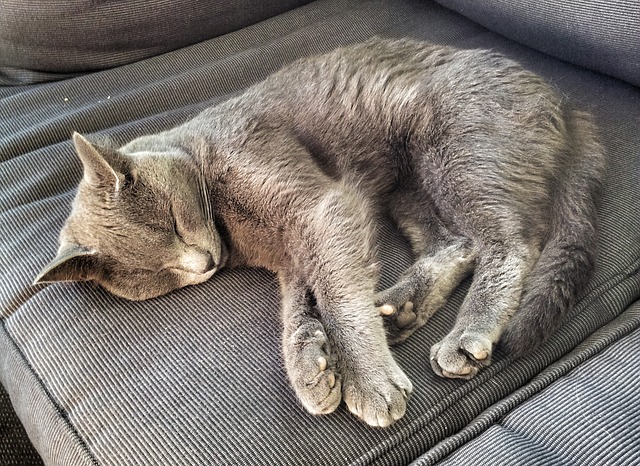
Some understand the importance of sleep. And let’s face it: Cats are cute.

Pictures from Pixabay.
Why do we keep talking about dieting and special diets?

Dieting, Diet, Food, Movement

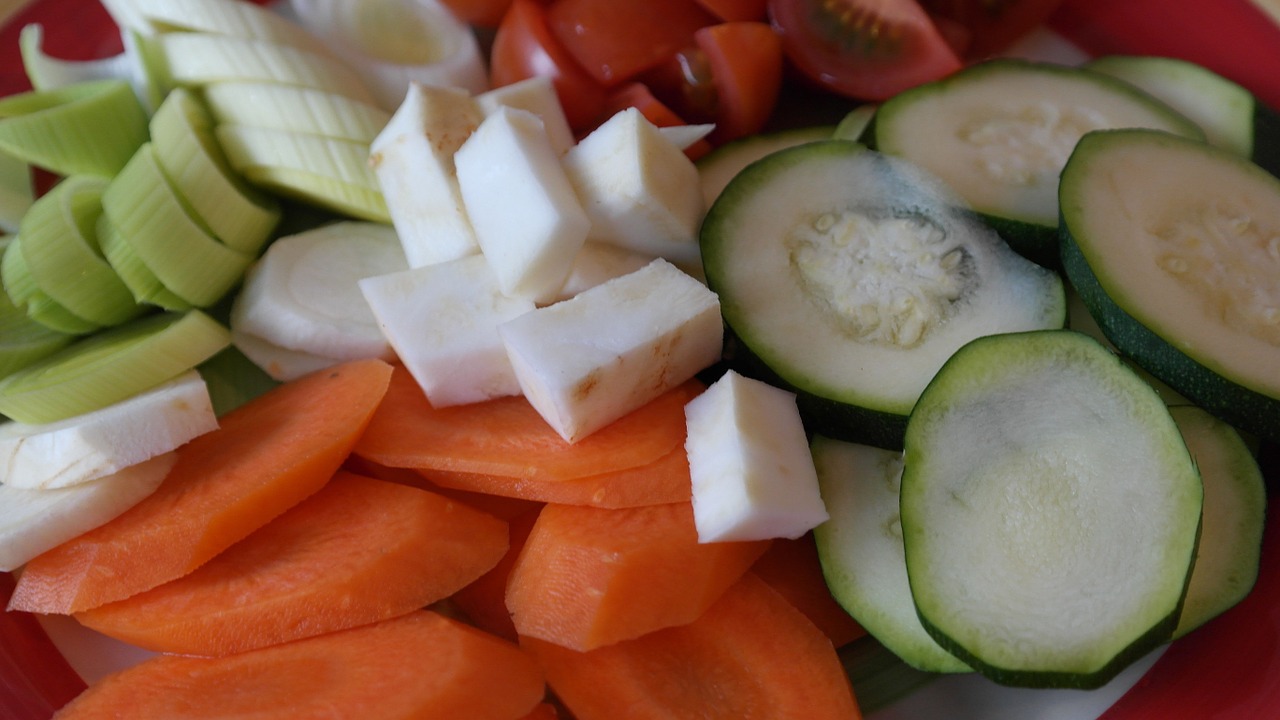
What shall we eat? No more pixie dust, that’s for sure…

Recent posts by one of the very few sources I consider reliable on nutrition prompted me to revisit the theme of diet. So I hope you can stomach one more post on this topic. I’m going to try to make it worth your while by presenting a hint of a solution.

If you have not yet read what Dr. David Katz has to say on the subject, stop reading this right now, and go read a few of his posts instead. I won’t mind. Really.

Still with me? Perhaps you only have a few minutes, so allow me to summarize the current status. (And provide links to his most recent and relevant posts; some are on LinkedIn and may require an account to access.)

Let me make something clear right off the bat:

Dieting does No Good

Dieting does not work. It’s that simple. I’ve written about it myself, and this post by Dr. Katz is quite entertainingly showing that all serious nutrition experts, those not trying to sell you something, say so.

This video about a much-publicized recent study does what journalists always (erroneously) think is better journalism: providing statements from both sides, even though it is a non-debate.

Even having a good overall diet, eating food (not too much) and mostly from plants, is not enough if you are trying to lose a lot of weight, and/or remain healthy for a really long time. For that, you need to exercise, to move, on a daily basis. It is a lifestyle issue, not a diet issue.

But that’s hard work. Are we sure there’s nothing we can do about the food we eat? (Or so we keep asking ourselves.)

In the absence of successful “mainstream” diets, people turn to even stranger diets, like the would-be paleo diet. But even that, as I’ve indicated previously, and as Dr. Katz has put it time and time again (as reported here as well), is part of repeated attempts at making believe we can get fit and slim without doing real work.

So despite dieting not working, why do we keep talking about diet as if it is the solution? Why is it that every so often a new kind of special diet starts and claims to be the solution we’ve been looking for?

Basically, the question is:

Why do we keep focusing on dieting?

Because it is appealing to us.

Most (all?) of us have a tendency to seek easy fixes, magical solutions, silver bullets. I feel this is primarily due to our innate tendency to assign simple cause and effect relationships to phenomena: if this bush moves, that’s probably because there is a tiger ready to jump on me, sort of thinking. In this case: I’m getting fatter, so it must be what I’m eating.

To some extent it is, but that’s not the point. We focus on the wrong culprit at the expense of the white elephant on the couch.

The main aspect of our lifestyle that is different from what our ancestors of even a hundred years ago had to deal with is lack of movement.

Yes, it would be harder to move a lot more; it is effort. But there is more at play:

We are constantly bombarded by good stories that, even though they are scientifically unsound, appeal to our innate need for those causation narratives. Those stories are how modern snake oil salespersons get us time and time again.

If, as I surmise, this is a big part of the problem, it also suggests a way to fight.

A way forward?

While I generally agree with Dr. Katz that we should “grow up” about it, and that we must make the effort to eat well, along with exercising, not smoking, etc., I think we need a pro-active approach as well.

Since the ease with which stories can be created about special diets is part of the problem, perhaps a good story could be part of the solution. We need new narratives to replace those of the pixie dust diets, successful precisely because, although they don’t stand up to scientific scrutiny, they appeal to us through simple (simplistic) stories. We can keep telling ourselves, and others, the well-articulated lies we were told by the dieting peddlers precisely because they are simple enough.

On the other hand, the “I eat food, not too much, mostly from plants” story requires more explanations when you try to discuss it with others, and few of us have the knowledge to feel comfortable doing that.

There should not be a need for more explanation; our ancestors did not feel such need. They just ate what food they had.

The problem nowadays is that we have way too much, and it is all way too rich for our own good. In a see of contradictory advice and the occasional about-face of scientists themselves (which is even harder to explain for non-scientists), we all feel a need to justify our choices.

What better way to justify those choices than a good story?

So that’s the narrative, the story, we need to work on, instead of just de-bunking the others (not that there’s anything wrong with de-bunking). Allow me to have a go at a first draft.

A proto-story for healthy living

Begin Story

I am a human being, an animal that has evolved over millions of years to actively seek and eat a wide variety of plants and other animals.

Lately I’ve been extracting even more nutriments from my environment by cooking and domesticating my food sources. That’s great progress.

But my body has not yet evolved to remain healthy by staying put all the time and eating heavily processed stuff. Yes, stuff: there is no better word for some of what our modern society provides.

So I need to move on a daily basis, a lot, and eat foods that are as close to their natural forms as possible. That means different things to different people, but to me it means plants and some animals that have not strayed very far from their natural lifecycles. When I eat that way, I find that I eat less because I feel full sooner. And the more I move, the more I crave good food, and the better I feel.

If machines and chemical processes other than the digestive systems of other animals have been involved, I am very careful with how much I consume.

And always, no matter what I eat, I make sure to move a lot. Everyday.

End Story

That’s it. C’mon, it’s not that hard to memorize. Give it a try. You can even substitute something for “plants and animals” if you are so philosophically inclined. No problem.

Or comment with suggestions to improve it…

But, in any case, I have a final piece of advice for you about the claims of Diet Peddlers:

Diet, Exercise, Movement, Everyday

What to do when somebody tries to convince you their dieting approach is going to work…

Top picture from Pixabay.

Things we don’t like to hear

We don't want to hear

We don’t want to hear

It has been a while.

Perhaps you thought I had gone away.

But that’s not the case; it is simply a matter of having recently started a new job, running a trial program of No-brainer Fitness: E, and getting caught in doing research for a post on dieting.

All of that busyness got me thinking about some of the things we don’t like to hear. So I decided to write this short post before finishing the more serious one.

In part preparation for the dieting post, and in part as a reaction to having to face the fact that there are simply not enough hours in any given day, here are some of the things we don’t like to hear. But must come to accept if we are to succeed in being fit and healthy for the long-term.

There are no such things as Super Foods

Most claims on Web sites are about a single item, more often than not a vegetable, sometimes a fruit, and on occasions red wine. It changes depending on the site you browse to on any given day. The fact is that any one food will not make you healthy. And in large enough quantity, any one thing is toxic. Yes, even kale.

The flip side: I once saw a list of so-called “super foods” that consisted of 63 or so items. That’s longer than my typical grocery list, despite the fact that I get kudos from the health-conscious store clerks where I usually buy groceries.

If you have to buy and eat so many different food, then clearly no single food is that super.

As is generally the case, with a balanced and diversified diet of mostly plants, you don’t need anything to be super. The overall diet is what is super. Because it is real food.

Food supplements simply don’t work

In the sense that they will not make you healthy. Especially those that claim to do precisely just that.

In situations where someone is truly lacking some essential vitamins or minerals, or to ensure that you have plenty (as for pregnant women), there may be benefits in taking some, if only to have complete peace of mind.

But claims of miracle dietary supplements to make you lose weight or cure you of whatever you are lead to believe (typically from the same ads) you suffer from, are hogwash.

But at some point, we have to grow up

But at some point, we have to grow up

It requires (some) effort on your part

This could also be called “there are no free lunches.” (Or, at least, no healthy free lunches.)

Basically, to be fit, you have to put in some sweat capital. Fitness does not come from a pill; you can’t get fit by hooking yourself up to a machine and letting it do the work for you. You have to do the work.

The trick is to find the kind of working out that is pleasant for you, and the purpose to commit and maintain good habits. But you have to move, lots, and regularly.

Coffee, wine, chocolate, and a few other things we like are NOT FOOD

Sorry. That’s just the way it is. Enjoy in moderation.

Dieting doesn’t make you lose weight in the long run

That’s the intro to my next post. You have to take my word for it. For now. But the evidence is pretty damning…

*****

Since first writing this post, a few interesting (and timely) tidbits came my way, so I’m adding links to other readings you might consider after being done here:

Diet Lures and Diet Lies is an interesting piece along the lines of the above discussion of super foods and supplements.

Why I don’t do CrossFit is all about the importance of not training too hard. Better yet, if you read the text carefully, you’ll notice mention of how Olympians train, and that is what I am driving at with the notion of being an everyday athlete…

Photos by Pixabay

First things first: put your muscles on


Dancing, Music, Muscles Mass, Aging

Put on some music, but put on some muscles, too.

What does a little old lady on Britain’s Got Talent, an article claiming that muscle mass is a better predictor of longevity than BMI, and No-brainer Fitness: E, have in common?

Other than being tidbits of “information” you can find on the Internet?

Well, the first may very well be an illustration of the second. Anecdotal, to be sure, but an illustration nevertheless. And the third is definitely derived from the principle of building muscle mass as a starting point to having fit and healthy bodies well into older age.

First, the little old lady.

Paddy is 80 years old. And she’s on the show with a much younger, much taller partner called Nico. They are doing a dance routine. At first, it’s tame and boring. And then, her partner starts twirling her about, lifting her and spinning her in the air. Acrobatic Rock ‘n Roll style. The audience holds its breath, commentators are speechless.

Why? Because everyone is afraid for this fragile little old lady. She might break a hip. She might lack strength and let go as she’s dangling precariously, and then crash and need an ambulance. You can see them thinking it. Heck, it’s almost impossible not to think it.

But she doesn’t. She holds on, and finishes the routine on her own high-heeled two legs. With a smile.

Why would we think this extraordinary?

Because we have been trained, perhaps brainwashed, into thinking that becoming old means becoming fragile. That frailty is the norm for older people.

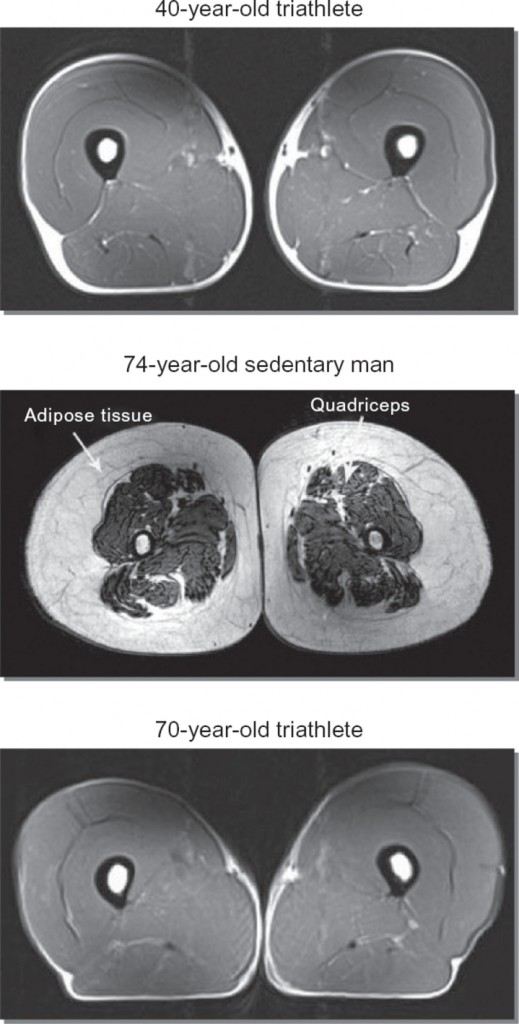
But as MRI images of older triathletes reveal, in comparison to both younger and same age but sedentary folks, when you maintain your muscle mass and remain active, other than slowing down some and requiring more recovery time, we can remain lean, muscular, and prevent our bones from losing strength well into old age.

Second, what about that article about muscle mass?

Muscles, Athletes, MRI

Which one do you want to be when you grow old?

While most of the medical establishment (and people providing dietary advice) have been saying for some time that losing weight is good for your health in the long term, it seems in fact that having more muscle mass, even with a higher BMI, is a better predictor of outcomes.

Simply put: Don’t just try to lose weight; put on some muscles. It’s better for you.

I’m no expert, but I can think of many reasons why that would be logical, beyond the fact that diet alone never works:

  1. Muscle mass is what burns the most calories; so the more muscle mass you have, the higher your base metabolism, and therefore the less you tend to gain weight. Or the faster you burn through extra reserves. Remember that excess weight, especially abdominal fat deposits, is a major risk factor; but muscles burn calories, so you don’t need to starve yourself half to death to lose the weight.
  2. Muscles are what put strain on your bones, and therefore keep them from becoming weak (in reaction to the strain, bones become denser, and more sturdy). Stronger bones means less chances of fractures, which is an important contributor to loss of autonomy and health in older age.
  3. A stronger body in general is insurance against injuries caused by attempting to perform tasks that once were normal, but that become a challenge as we age. We’re not old in our heads, so when we think we can do something, but have not maintained our bodies, we run the risk of getting hurt.

The main issue, as I see it, is that as we age (starting around our mid-twenties), our metabolism and hormonal equilibrium shift, and it takes some activity to maintain muscle mass. It is not automatic that we gain weight, but if we lose muscle mass because we don’t use it enough, then we start to burn less, and thus put on the weight.

A good remedy to that is to maintain muscle mass. Or re-build it.

This is where No-brainer Fitness: E comes in, as a third part to the initial comparison.

The first thing to focus on when beginning a new regimen of activity is re-building muscle mass. And that is precisely what occupies a great deal of the time of No-brainer Fitness: E.

The best way to protect your body against excess weight and injuries is to have a stronger body.

And now, it seems, research is showing that long-term health is better if you have greater muscle mass.

So put first things first, and re-build (or maintain) that muscle mass. (Which is not the same as saying that you should not do any cardio, or eat badly. It’s just a place to start…)

References:

Muscle mass index as a predictor of longevity in Older adults, The American Journal of Medicine (article in press), 2014

The article from which the MRI images are claimed to originate can be found here.

Watch Paddy and Nico here. (Hopefully that link is still up…)

A Primer on No-brainer Fitness: E

Movement, Daily

Time to get moving!

In case you were wondering about it, or are generally interested in moving more, this is a kind of “Origin Story” for No-brainer Fitness: E (a.k.a. Everyday).

As the E page indicates, No-brainer Fitness: E is a kind of service to help you put more movement, more exercise, and better food (and less NOT FOOD) into your daily life.

It is not like signing up for a gym membership, a fitness cult, er, I mean class, or turning up at exercise bootcamps multiple times per week. It is a highly individual commitment to doing the simplest thing (though not necessarily the easiest) of moving more, by making it a habit.

As such, it is something all of us can benefit from, no matter what your current level of activity might be.

Some perspective

What is the idea behind this daily service?

It came through the realization that, while I enjoy racing triathlons and marathons, true fitness is something that should happen on a daily basis.

Towards the end of an Ironman(TM) race a few years back, I realized the silliness of what we (some 2,700 of us that day in Lake Placid) were doing.

More to the point, I realized how, while a great deal of fun and very demanding, our accomplishment of completing a long course triathlon would have seemed much less to our great-grandparents. Particularly those used to 12+ hour days of tilling fields, cutting down trees, harvesting, and performing a wide range of physical activities on a daily basis.

Going back even further, our hunter-gatherer ancestors had to keep moving to find their food, run to hunt (not to mention avoid being eaten themselves), and generally carried everything they owned on them without the benefit of cars (or modern backpacks, for that matter).

This is not to put on a pedestal that way of living of days gone by. It is simply a realization that nowadays we take great pride in being able to do certain things that, while challenging, would not have seemed so outlandish to our ancestors. (Except perhaps in the gear needed, and choice of venues.)

Let’s face it, modern life is a lot more pleasant. But in becoming “modern”, we’ve lost a key aspect of our animal nature: quasi-constant movement. We’ve also lost perspective on what it takes for us to be healthy: quasi-constant movement, and real food.

Back to now

In an effort to regain some of that perspective, there is a growing movement to be more active, and it leads a lot of people to endurance sports and “fitness training”. And to a large extent, to obsession about getting fit.

But it is often with the wrong focus: to look a certain way, to perform at a certain level, to lose weight…

What we should be focusing on is movement on a daily basis. What we should obsess about is doing some on a daily basis, never staying put for too long at a stretch. What we should remind ourselves is that skipping one workout is not the end of the world, as long as we keep on moving regularly.

The rest will follow, in time.

That’s why Everyday No-brainer Fitness is a service designed to provide advice and reminders to keep moving on a daily basis.

It is what brings it all together: the exercise, the diet, the lifestyle. The E stands for “everyday”, but it could just as well stand for “everything”.  And now it also stands for “explained”.

All it takes is a desire to get started, and a friendly helper to guide you along…

I’m not saying it is easy, but it is simple. It is definitely a no-brainer. And the beauty of it is that you can get some help to get you started, and keep you going.

So that’s it.

If this sounds interesting, if you are ready to sign-up or need some more information, turn to No-brainer Fitness: E, and fill the form at the bottom.


Photo from Pixabay.