The Principles Underlying Everything

Not everyone needs a deep philosophy in order to strive for better fitness, and ultimately health, yet this just might help some of you. For me, it is fundamental, and helps guide my actions on a daily basis, and the advice of No-brainer Fitness.

So allow me to state what I consider to be fundamental aspects of being human we must come to grips with in order to be optimally healthy. I call those “Principles” for what follows…
Brains, Animal, Evolution

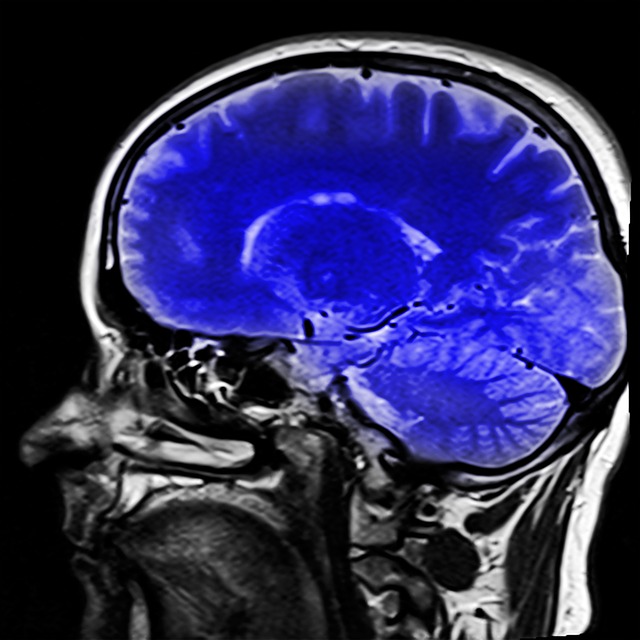
Our big brain, result of our evolution, cause of our problems and source of the solutions…

First Principle: We are animals. Animals with big brains, to be sure, but animals nevertheless.

Second Principle: Evolution is real. We have been, and continue to be, subject to evolution. That’s how we’ve inherited our animal bodies, and big brains.

Third Principle: We can be masters of our impulses. That’s where the big brains comes into play, in a variety of ways.

Fourth Principle: Sometimes we need help. There’s no shame in that; it’s called being human. Also something our big brains should be useful for.

So let’s have a bit of an explanation, for now, of those Principles (you can be sure that I will come back to these topics in future posts):

First Principle: Our bodies are part of nature, not something outside of it, different from it, or “above” somehow. We have faculties that set us apart somewhat in terms of what we are capable of, but they do not give us any special rights or dominion. If anything, with great power comes a fiduciary mandate to use it well (a.k.a. “great responsibility”).

Take for evidence how our closeness with our pets. This is in large part because we recognize in them aspects of ourselves. Many other species on Earth exhibit aspects of what we call human characteristics. Another piece of evidence: studies show that we recover faster from illness and surgery when afforded a view of nature…

Second Principle: our bodies are what they are because they have been shaped by the blind forces of genetics and nature. This has shaped what our bodies are able to do, what they need to thrive, but also how our minds work. Through hundreds of thousands of years we have become equipped with the means to be the dominant species on the planet, and to do away with much that was limiting in our natural environment.

In our current environment, this leads to two main types of problems: a loss of health due to over-consumption of previously scarce ressources (the modern diet), and widespread (and at times engineered) opportunities to distract ourselves from what would be well adapted behavior (lack of movement). A big brain that comes at least partially programmed to “take it easy” and eat as much as possible of things that are pleasant can be a terrible burden.

Third Principle: Given the first and second principles, it is very tempting to just give up, to admit defeat and say “that’s how things are, so it is not MY fault. BUT: as animals who have evolved to possess quite impressive intelligence, we actually have what it takes to deal with the situation.

A big chunk of it consists in using that intelligence, and an understanding of what drives us and what we need, to effectively fight the instincts and impulses that tend to cause us to not move enough and eat too much of the wrong things. It is possible; many of us are already doing it. We are all capable of doing it.

Fourth Principle: But let’s be fair: it is not easy. I’ll be the first to admit it (you can be second): sometimes I need help to get me up and moving, or to resist that brownie for dessert (or instead of a proper breakfast, for that matter).  There is no shame in being helped, and it is only right to be the help at times as well.

That help can take many forms, including laws to reduce certain negative influences or promote positive ones. But that is often counter-productive because of the fight against powerful, established interests, and, more importantly, the natural tendency of all of us to resist change that is imposed on us.

Acting one on one to change our habits and help each other is an essential, albeit longer-term, part of the battle. Vote with your forks, shoes, and wallets, everyday, and we will all be the change we need…

We have the brains, let’s make the most of them!
Brains

Let’s use ’em!

Photos from Pixabay.
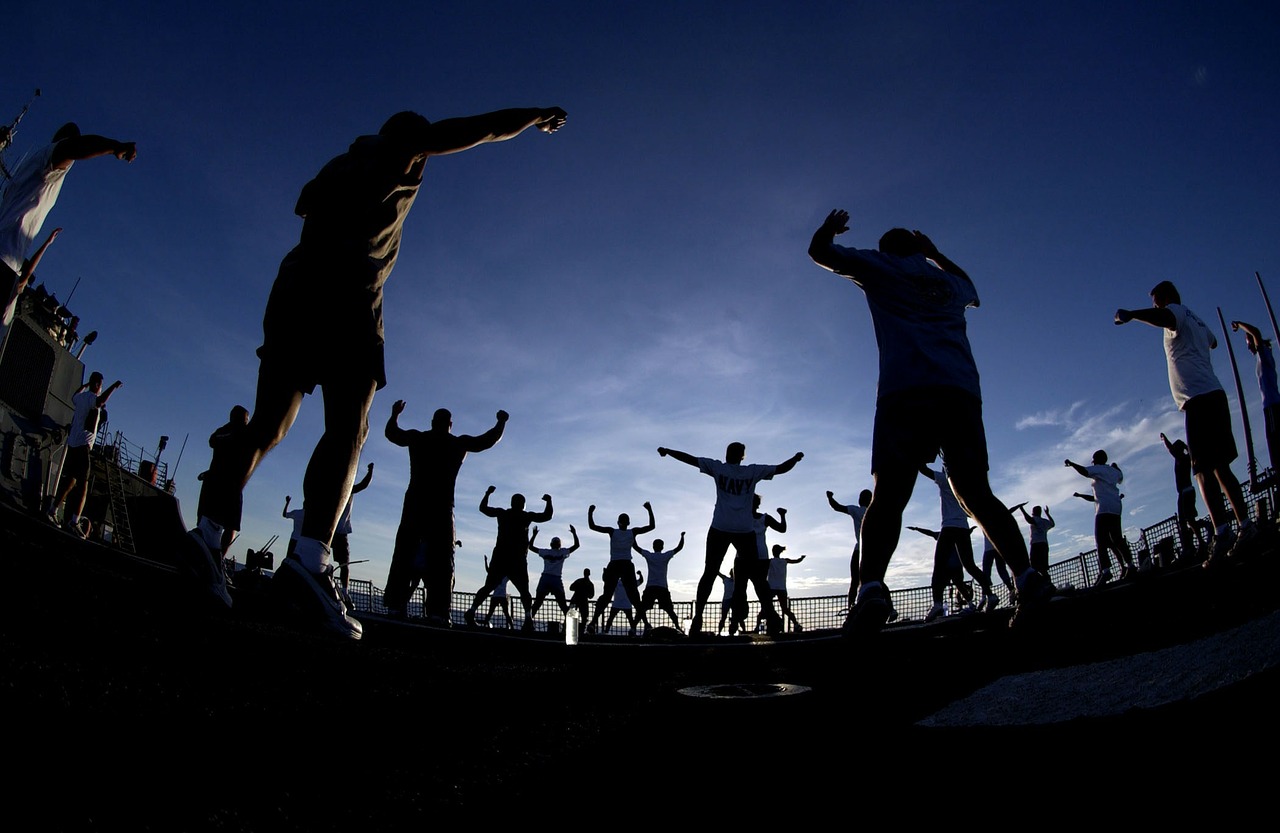
Here’s a first challenge, for all of us

Sitting, Movement

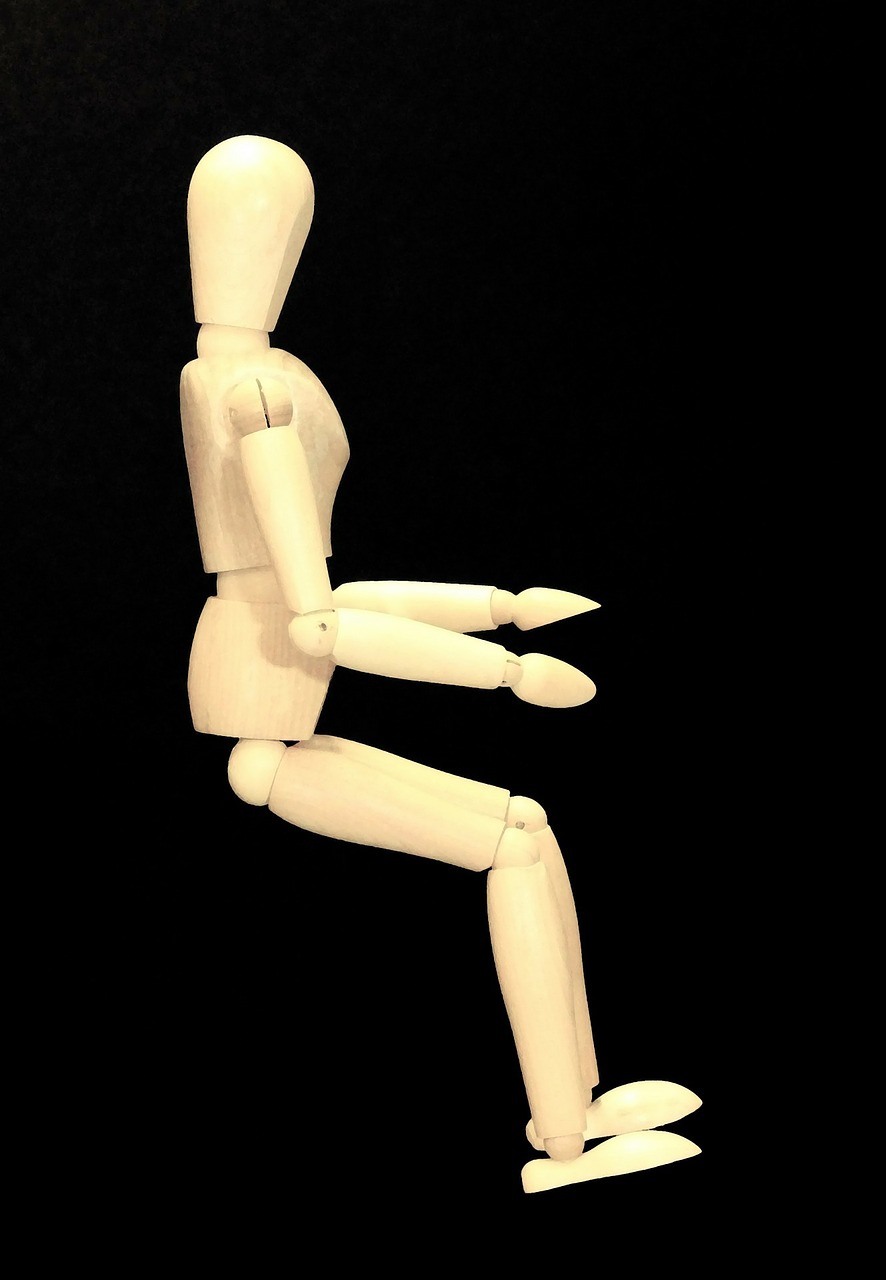
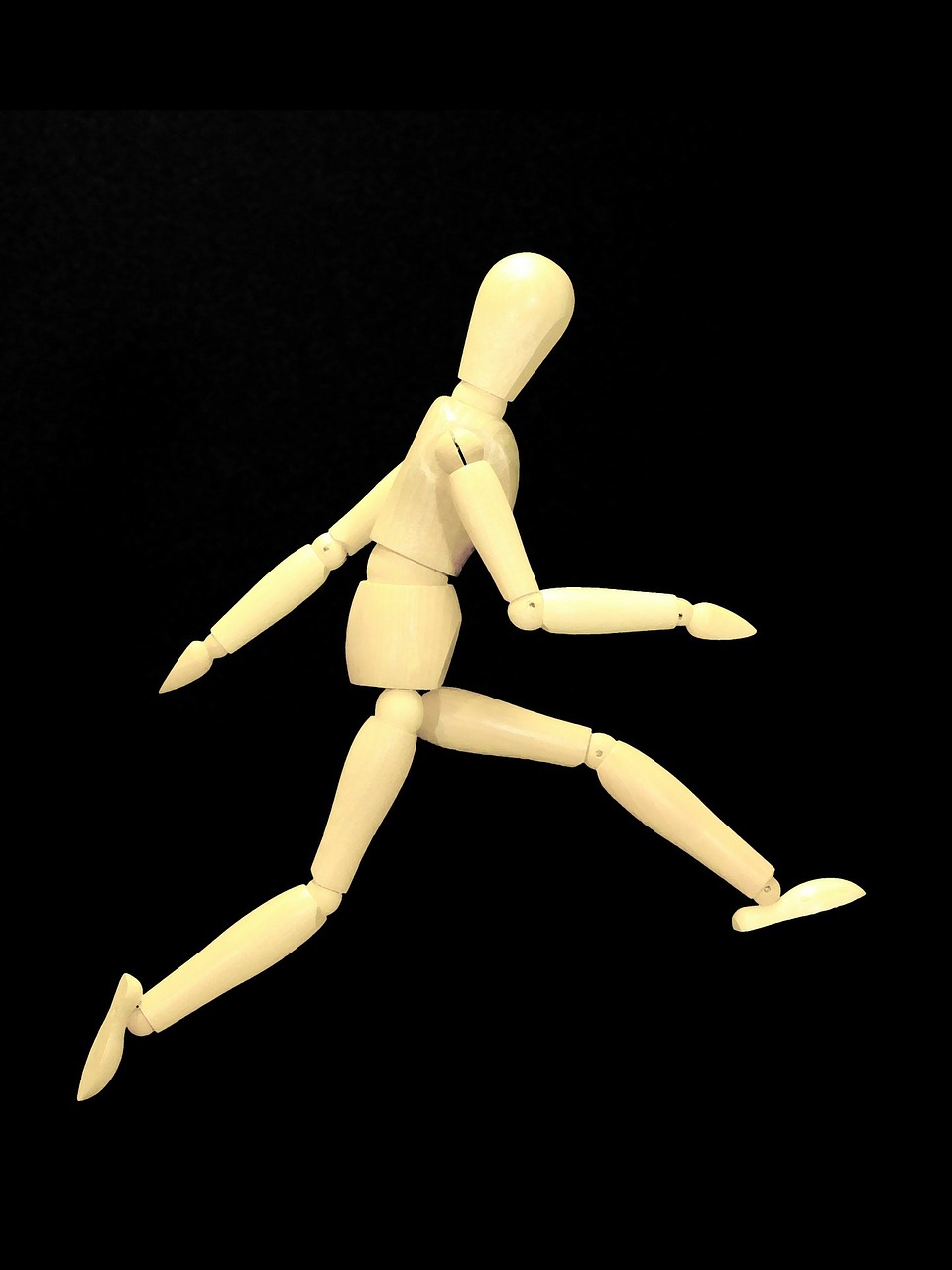
Let’s go from this…

Part of what I am trying to do with my “spare” time is help people become more fit, and ultimately healthy, through No-brainer Fitness and some coaching for Team in Training. (Full disclosure: I have a full-time job unrelated to fitness, am very happily married to a wonderful woman, and travel quite a bit between Montreal and Boston, so “spare” time is what it is.)

But what does it mean, really, to help people become more fit, and how can I hope to achieve that?

Well, one of the mechanisms I have set up is what I call “No-brainer Fitness E”, where the E stands for Everyday.

In a nutshell, it is a service I offer to develop some good habits in terms of exercise, and reduce the bad habits in terms of diet and lifestyle. Among other things.

Today, instead of explaining more about No-brainer Fitness E (feel free to check out the page), let me give you a first challenge, very much along the lines of what subscribers would get (for a ridiculously low price, I might add, and stop the marketing pitch at that):

Daily Exercise Challenge: Pick a moment, other than your usual lunch time, in the middle of your busy day, and go for a 10 minutes walk. Preferably outside, preferably brisk, but the key thing is to move. (With the E service, you would not get to pick the moment, but receive a notification to do it, right now, or postpone by at most x minutes. And the challenge would be different on each day.)

Weekly Diet Challenge: Pick a day, any day of this week, and make sure you eat only food you have prepared yourself from base ingredients. No restaurant, no prepared food bought at grocery stores, etc. (As this requires some planning to have ingredients handy and some food for a lunch, it is a weekly challenge that you get notified of on Sunday so can prepare for it.)

Weekly Habits Challenge: On four of the seven days of this week, set 5 minutes aside to perform a simple meditation exercise, focusing only on your breathing. (Habits challenges are more repetitive, yet should demand very little time. But the benefits are real, well proven, and so the aim is to start forming new positive habits.)

Movement, Exercise, Everyday

…to this. Just not in a wooden way.

That’s it. Three simple challenges.

Can you do that?

Do you dare challenge yourself?

Do you dare challenge yourself everyday, and turn burgeoning habits into long-term behaviors?

It starts with simple actions, and it’s up to each and everyone of us.

Photos from Pixabay.

The Big Picture

Exercise, Fitness, Everyday

All together now…

So far, I’ve attempted to lay the foundations of what No-brainer Fitness is, and what my approach to fitness looks like.

As hinted at in another post on diet, in order to be healthy, there is a lot more you can (and should) do. But I have yet to provide a more complete recipe, a “big picture” of what I’m talking about.

There’s no time like the present, as they say. So here’s what a complete approach to the way you can maximize your odds of living a long, active life in which you thrive, not just survive:

  • Move, exercise, train, whatever you want to call it, regularly, daily, everyday, in a sustainable, balanced way. Don’t remain seated at any time for extended periods of time. Etc.
  • Eat a diet of real food, not too much of it, avoiding processed products, mostly but not exclusively from plants. Get rid of all NOT FOOD items.
  • Rest sufficiently, also on a daily basis. Yes, that means get enough sleep, no matter how much pressure you feel to do more in a day.
  • Get rid of counter-productive habits, in a health sense: smoking, drugs of all kinds to excess (yes, that means coffee and alcohol, too, though perhaps there we could agree to curb excesses, and enjoy reasonably).
  • Seek ways to better handle the stress of daily life. If you are exercising daily, you are already doing some good, but look also into a little meditation, spending quality time with loved ones, getting “back” to nature, etc. Some would call this looking after your social and spiritual sides. Call it what you want, but don’t neglect it…

There’s nothing revolutionary in there. You’ve probably heard that advice time and time again, from many different sources.

If it is old news, why aren’t we all more healthy, or as healthy as we want to be? Why aren’t we all fit and full of zest?

What we need to do, and it is an everyday thing also for me, is believe in the plan enough to actually do what needs to be done. We need to keep the end goal in sight at all times, and take small but repeated steps in the right direction. And be an example to those around you, without feeling the need to preach what you practice. As they watch you do, others will catch on, I guarantee it.

We have a recipe. The big picture is pretty clear. Over the weeks and months ahead, I will do my best to guide you through the details that make a big difference… (That’s me saying “stay tuned”!)

Photo from Pixabay.

What about the stuff we eat?

Food

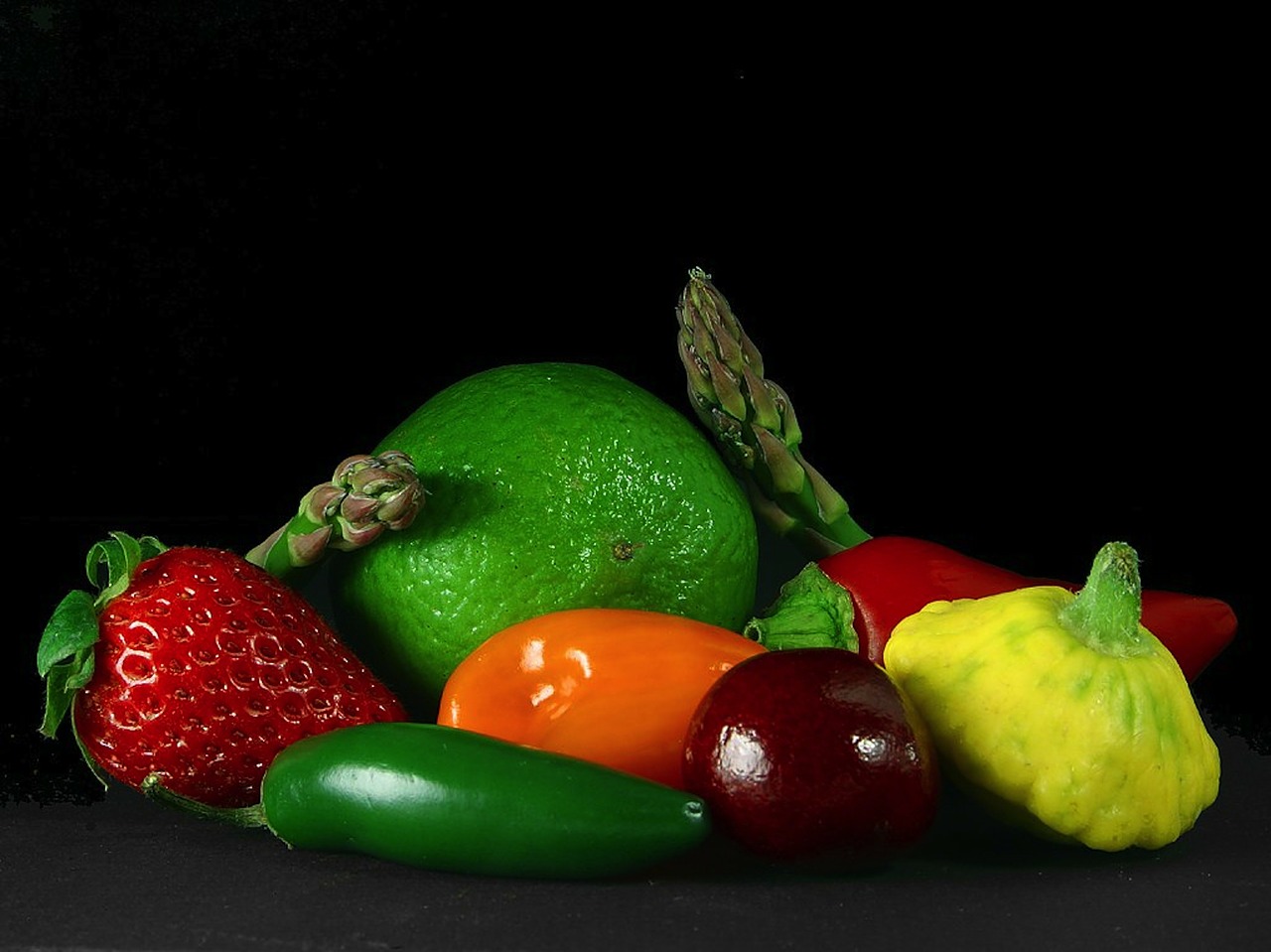
Nice, real food. Not too much of it.

So, what about the stuff we eat, what about our diet in relation to fitness, I can almost hear you ask…

Obviously, diet is an important topic, because it is a key element of being healthy. And I have a page devoted to it on No-brainer Fitness, so it must be important!

Fitness, in a natural environment, would stem from the food ingested and the activities to procure that food… But that’s no longer the case for us. We have in large part decoupled the two, and therein lies the complexity at times. After all, if we were still all eating what we have to hunt, gather, harvest, or scavenge on a daily basis, this would be a very short blog post.

I have so far stayed away from the topic of diet, in the general sense of “what we eat”, for two main reasons:

  1. I am not an expert on nutrition. I know what I like to eat, and I pay attention to what I eat, but I am largely like most people: I still struggle to figure-out what’s “best”, and I still like to indulge from time to time. (Yes, I’m a chocolate fiend, and I love ice cream…)
  2. Although very important to health, nutrition really comes second to exercise. Granted, without food, we can’t live, end of story. However, given some food, our bodies are extremely resilient; we can make do with very little quality of food. Provided we move enough, we can handle a “much less than optimal” diet for a pretty long time.

The single best thing you can do to improve your health prospects is move more. But don’t get me wrong: Of course, it is better if you also pay attention to what you eat. But the reverse, only paying attention to what you eat and moving too little does not have the same long-term effect. That is in large part why weight-loss regimens never work by themselves.

Nutrition is indeed a complex topic, so I prefer to rely on the advice of true experts in this field, and focus on getting more fit through exercise. I invite you to do the same.

Which is not the same as saying I won’t provide advice on the subject. I will, you can count on that. Simple advice. Safe advice. No-brainer advice, you might say. The rest will be up to you.

For instance: One simple change you can make right now, this very instant, to lasting benefits for your health: never, ever, drink sodas (pop, soft drinks, etc.), no matter how tempted on a warm day, no matter if “unsweetened” or “0 calories”. Soft drinks are NOT FOOD, and should be treated as such.

Food is something that comes from nature, as directly as possible. NOT FOOD is something that you could not possibly find in nature, or easily make from stuff you find in nature. (You can bet this topic will come back time and again…)

Down from the soap box, on which I can be found from time to time. Where does that leave us? Ah, yes, experts.

Here is one I have a lot of respect for:  Dr. David Katz. He gives solid, unbiased advice, and spends a lot of his energy fighting the good fight against bad nutrition, and bad nutrition advice. For instance, his What’s wrong with us? post is an excellent review of nutrition and our modern industrial food processing complex. I highly recommend his blog.

When it comes to nutrition and diet, the best advice I can give you is to be careful of the advice you receive. There is no magical ingredient that burns fat, no optimal combination to prevent disease, no silver bullet to a long, healthy life.

There is perhaps only one other bit of advice, not originating from me (it’s from Michael Pollan), that you should consider:

Eat food, not too much, mostly from plants.

Photo from Pixabay.