Would you rise to the challenge?

Endurance, Fitness, Triathlon, Ironman

The author and his significant other, with Tom Knoll. The 81-year old is the guy in the middle, just to be clear.

A week ago I had the privilege of making the acquaintance of one of the original Iron Men.

Yes, I really mean one of the few who participated in the very first, the “inaugural” Iron Man Triathlon. In 1978. Before it was called Ironman; before it was a commercial brand. Well before you had to register a year in advance to participate.

Tom Knoll was at an even called Tri Mania being held at MIT in Cambridge (MA). It is a kind of traveling fitness expo dedicated to triathlon, visiting many cities over many weekends.

He was there to promote a triathlon race taking place in Atlantic City, and to sell his book, a kind of memoir of that very first Ironman distance triathlon.

There would be a lot to say about how that particular first event came to be, and I don’t want to undercut the sales of his book, but one thing struck me in particular, and that’s what I want to talk about today.

(By the way, the book is a quick read, and only $15, so if you get a chance, buy it. It is what books ought to be: a personal account of events, with a clear perspective and personality, not a manufactured product with an embellished story designed to captivate. Reality is captivating enough…)

Anyway, back to my point.

Tom Knoll was already a runner, and a career military man, when the event took place. A guy floated the idea of putting the event together, and started registering people. The date of the event was chosen in order for it to happen before two of the would-be participants had to ship out of Hawaii (more military folks, as you might guess).

So participants had a couple of months to train.

Yes, you read that right. A COUPLE of MONTHS. Not years, not many months. Two. (2).

And yet they rose to the challenge.

Not to win, not to compete against each other; just to see if it could be done.

Granted, these guys were fairly fit. They knew each other, for the most part, from running events in Hawaii. Some were swimmers with long distance credentials. Some had bikes already (some didn’t, or had not been riding much, or at all, since childhood).

Bottom line: The thought of attempting such a thing (which, just to be clear, had never been done at such distances, but already existed as a sport) was considered a little crazy, but a fun challenge. All they wanted to do was finish.

12 of them finished. Out of 15 who started.

Tom Knoll, although dead last out of the water (apparently, being in the Navy is no guarantee of strong swimming skills), came in 6th overall. He is “Ironman #6”. Only 5 before him ever completed an Ironman distance triathlon.

Here’s the kicker:

He was 46 at the time. The oldest of the bunch. Yet he rose to the challenge.

Not to win, not for recognition, not to go as fast as he could. But because it was a fun challenge.

Nowadays, we are too keen on competing, on going fast, on “being as good as we can be”, and we forget that we should be doing races because they are good for us. We should challenge ourselves not to be fast, but to go beyond our limits. (In a reasonable way, of course, so don’t go jumping into an Ironman race this summer because you read this. But do consider signing up for some race…)

Tom Knoll never participated again, but he continued to run. He has crossed the United States in both directions running. He has raised over a million dollars for charity with his running. He has remained active and fit throughout his life.

He is now 81, and still going strong.

What’s keeping you from rising to the challenge?

Thinking you are too old to begin? Too busy? Not fast enough to compete? Etc.?

Reconsider, please. And just do it because it is fun, and the right thing to do…


Photo credit: Some guy promoting the Atlantic City Challenge, using the author’s significant other’s iPhone.
Another Simple Idea

Movement, Meetings, Everyday

Need to meet? Step right out of your office…

I recently came across a very interesting segment of Quirks & Quarks, the science radio show of the Canadian Broadcasting Corporation.

It was about sitting for long periods of time, and how bad it is for our health. (The segment is from the March 22nd, 2014, show.)

Basically, if you spend lots of time sitting, you are putting the wrong kind of load on your bones, and causing a major slowdown of your metabolism. Even if you exercise regularly, which is better than being a total couch potato, sitting for long periods of time is detrimental to your health.

The only way to compensate is to move regularly. As in every few minutes.

So it reminded me of a tip for moving more that I had been meaning to write about. So here it is.

You’ve probably heard it before, but like most of us you’ve not done it yet. Now’s the time to try it. Take it as a challenge for the coming week.

It’s quite simple: Have a walking meeting.

It doesn’t matter if it is a business meeting, or a personal conversation; instead of sitting in an office, or a conference room, or at a restaurant, or on your couch at home, get up and go for a walk.

This is obviously easier to manage with one-on-one meetings, but it works really well. It adds a dynamic aspect to the discussion.

More importantly, it gets you, and your meeting partner, moving, instead of sitting.

Just don’t spring it on the person at the last minute. It is better to plan for it a little.

If you are a runner, and you know the person you are to meet with runs, you could even make it a running meeting. But that brings about possible complications that are better left for another post.

Walk first, run later…

Try it. Once. This week.

Then make it a new habit…

Photo from Pixabay.

The Principles Underlying Everything

Not everyone needs a deep philosophy in order to strive for better fitness, and ultimately health, yet this just might help some of you. For me, it is fundamental, and helps guide my actions on a daily basis, and the advice of No-brainer Fitness.

So allow me to state what I consider to be fundamental aspects of being human we must come to grips with in order to be optimally healthy. I call those “Principles” for what follows…

Brains, Animal, Evolution

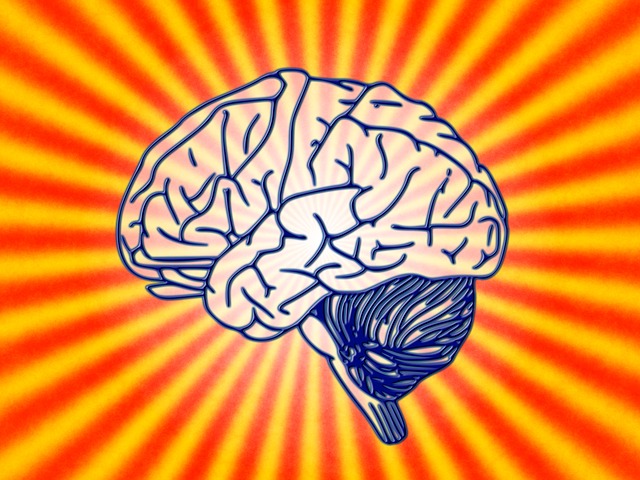
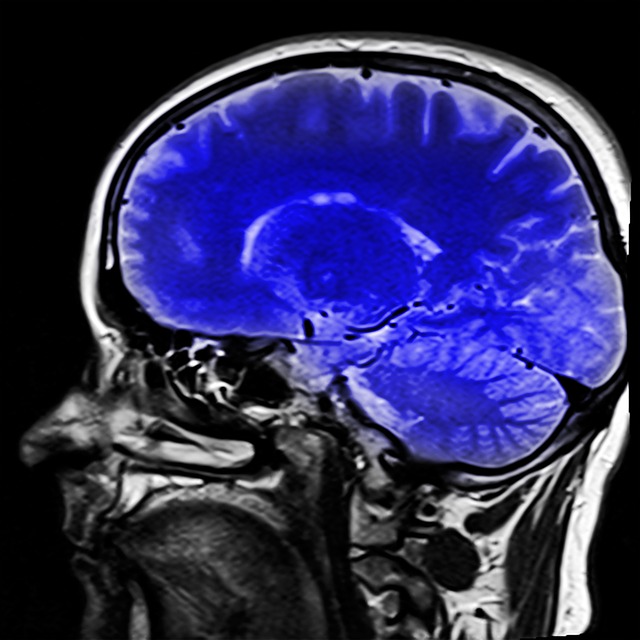
Our big brain, result of our evolution, cause of our problems and source of the solutions…

First Principle: We are animals. Animals with big brains, to be sure, but animals nevertheless.

Second Principle: Evolution is real. We have been, and continue to be, subject to evolution. That’s how we’ve inherited our animal bodies, and big brains.

Third Principle: We can be masters of our impulses. That’s where the big brains comes into play, in a variety of ways.

Fourth Principle: Sometimes we need help. There’s no shame in that; it’s called being human. Also something our big brains should be useful for.

So let’s have a bit of an explanation, for now, of those Principles (you can be sure that I will come back to these topics in future posts):

First Principle: Our bodies are part of nature, not something outside of it, different from it, or “above” somehow. We have faculties that set us apart somewhat in terms of what we are capable of, but they do not give us any special rights or dominion. If anything, with great power comes a fiduciary mandate to use it well (a.k.a. “great responsibility”).

Take for evidence how our closeness with our pets. This is in large part because we recognize in them aspects of ourselves. Many other species on Earth exhibit aspects of what we call human characteristics. Another piece of evidence: studies show that we recover faster from illness and surgery when afforded a view of nature…

Second Principle: our bodies are what they are because they have been shaped by the blind forces of genetics and nature. This has shaped what our bodies are able to do, what they need to thrive, but also how our minds work. Through hundreds of thousands of years we have become equipped with the means to be the dominant species on the planet, and to do away with much that was limiting in our natural environment.

In our current environment, this leads to two main types of problems: a loss of health due to over-consumption of previously scarce ressources (the modern diet), and widespread (and at times engineered) opportunities to distract ourselves from what would be well adapted behavior (lack of movement). A big brain that comes at least partially programmed to “take it easy” and eat as much as possible of things that are pleasant can be a terrible burden.

Third Principle: Given the first and second principles, it is very tempting to just give up, to admit defeat and say “that’s how things are, so it is not MY fault. BUT: as animals who have evolved to possess quite impressive intelligence, we actually have what it takes to deal with the situation.

A big chunk of it consists in using that intelligence, and an understanding of what drives us and what we need, to effectively fight the instincts and impulses that tend to cause us to not move enough and eat too much of the wrong things. It is possible; many of us are already doing it. We are all capable of doing it.

Fourth Principle: But let’s be fair: it is not easy. I’ll be the first to admit it (you can be second): sometimes I need help to get me up and moving, or to resist that brownie for dessert (or instead of a proper breakfast, for that matter).  There is no shame in being helped, and it is only right to be the help at times as well.

That help can take many forms, including laws to reduce certain negative influences or promote positive ones. But that is often counter-productive because of the fight against powerful, established interests, and, more importantly, the natural tendency of all of us to resist change that is imposed on us.

Acting one on one to change our habits and help each other is an essential, albeit longer-term, part of the battle. Vote with your forks, shoes, and wallets, everyday, and we will all be the change we need…

We have the brains, let’s make the most of them!

Brains

Let’s use ’em!

Photos from Pixabay.

Here’s a first challenge, for all of us

Sitting, Movement

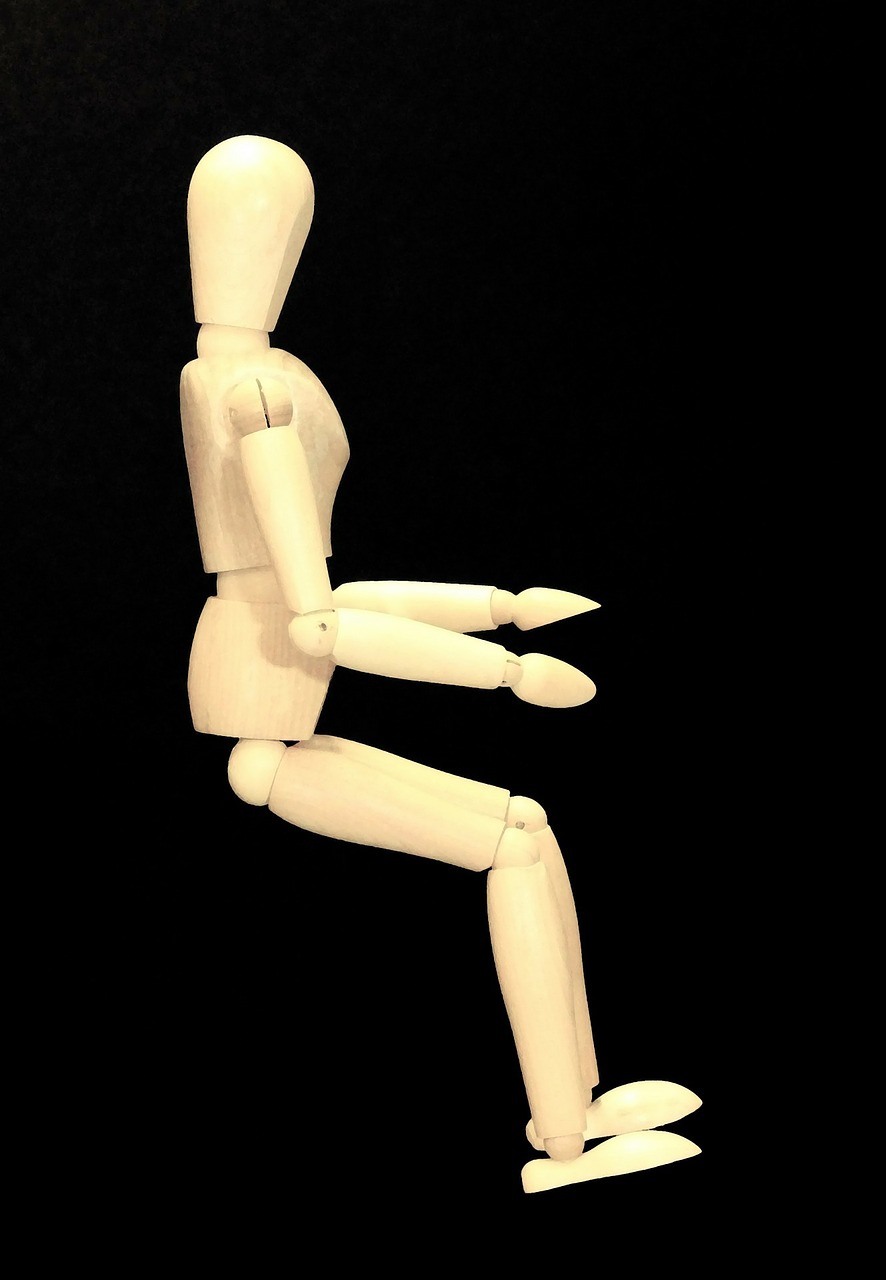
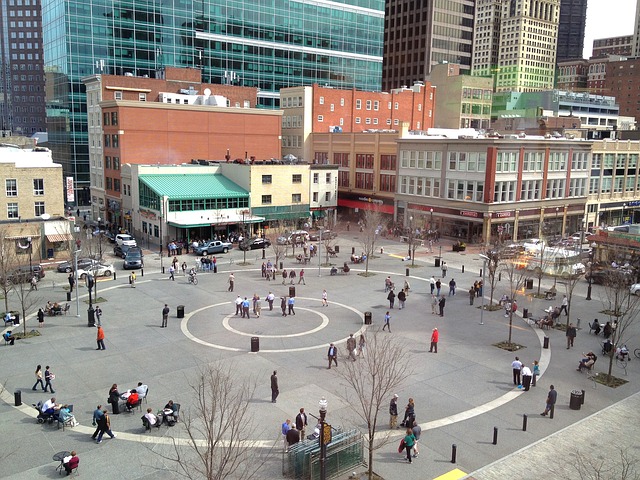
Let’s go from this…

Part of what I am trying to do with my “spare” time is help people become more fit, and ultimately healthy, through No-brainer Fitness and some coaching for Team in Training. (Full disclosure: I have a full-time job unrelated to fitness, am very happily married to a wonderful woman, and travel quite a bit between Montreal and Boston, so “spare” time is what it is.)

But what does it mean, really, to help people become more fit, and how can I hope to achieve that?

Well, one of the mechanisms I have set up is what I call “No-brainer Fitness E”, where the E stands for Everyday.

In a nutshell, it is a service I offer to develop some good habits in terms of exercise, and reduce the bad habits in terms of diet and lifestyle. Among other things.

Today, instead of explaining more about No-brainer Fitness E (feel free to check out the page), let me give you a first challenge, very much along the lines of what subscribers would get (for a ridiculously low price, I might add, and stop the marketing pitch at that):

Daily Exercise Challenge: Pick a moment, other than your usual lunch time, in the middle of your busy day, and go for a 10 minutes walk. Preferably outside, preferably brisk, but the key thing is to move. (With the E service, you would not get to pick the moment, but receive a notification to do it, right now, or postpone by at most x minutes. And the challenge would be different on each day.)

Weekly Diet Challenge: Pick a day, any day of this week, and make sure you eat only food you have prepared yourself from base ingredients. No restaurant, no prepared food bought at grocery stores, etc. (As this requires some planning to have ingredients handy and some food for a lunch, it is a weekly challenge that you get notified of on Sunday so can prepare for it.)

Weekly Habits Challenge: On four of the seven days of this week, set 5 minutes aside to perform a simple meditation exercise, focusing only on your breathing. (Habits challenges are more repetitive, yet should demand very little time. But the benefits are real, well proven, and so the aim is to start forming new positive habits.)

Movement, Exercise, Everyday

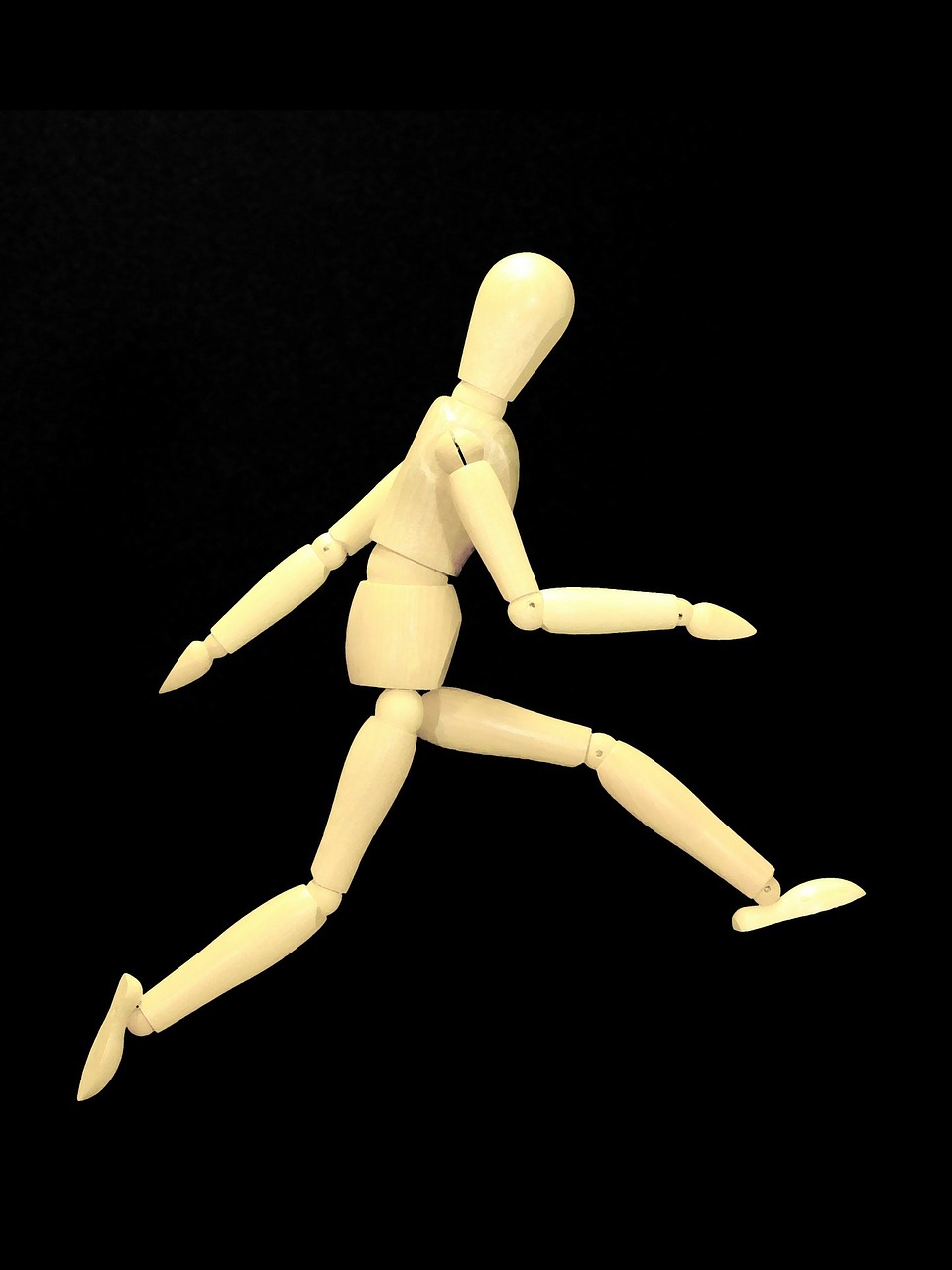
…to this. Just not in a wooden way.

That’s it. Three simple challenges.

Can you do that?

Do you dare challenge yourself?

Do you dare challenge yourself everyday, and turn burgeoning habits into long-term behaviors?

It starts with simple actions, and it’s up to each and everyone of us.

Photos from Pixabay.

The Big Picture

Exercise, Fitness, Everyday

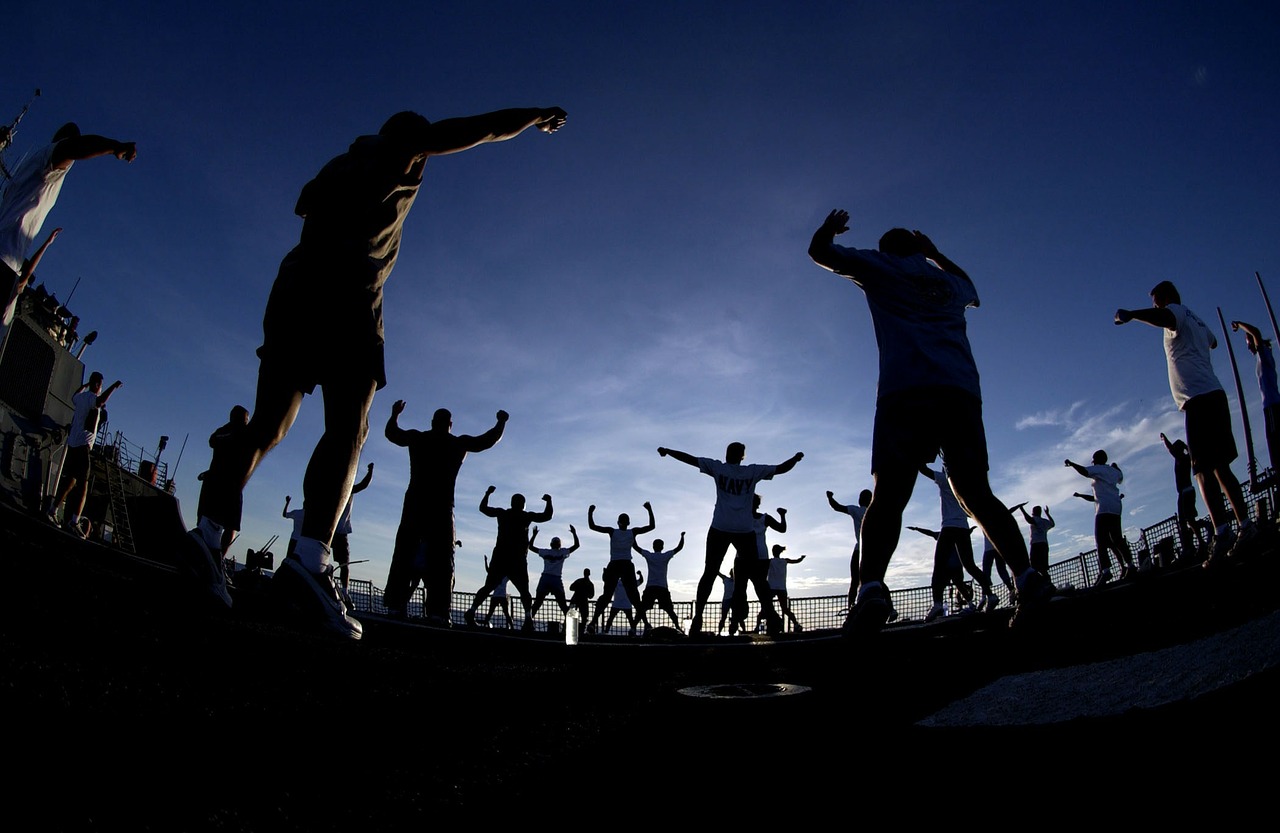
All together now…

So far, I’ve attempted to lay the foundations of what No-brainer Fitness is, and what my approach to fitness looks like.

As hinted at in another post on diet, in order to be healthy, there is a lot more you can (and should) do. But I have yet to provide a more complete recipe, a “big picture” of what I’m talking about.

There’s no time like the present, as they say. So here’s what a complete approach to the way you can maximize your odds of living a long, active life in which you thrive, not just survive:

  • Move, exercise, train, whatever you want to call it, regularly, daily, everyday, in a sustainable, balanced way. Don’t remain seated at any time for extended periods of time. Etc.
  • Eat a diet of real food, not too much of it, avoiding processed products, mostly but not exclusively from plants. Get rid of all NOT FOOD items.
  • Rest sufficiently, also on a daily basis. Yes, that means get enough sleep, no matter how much pressure you feel to do more in a day.
  • Get rid of counter-productive habits, in a health sense: smoking, drugs of all kinds to excess (yes, that means coffee and alcohol, too, though perhaps there we could agree to curb excesses, and enjoy reasonably).
  • Seek ways to better handle the stress of daily life. If you are exercising daily, you are already doing some good, but look also into a little meditation, spending quality time with loved ones, getting “back” to nature, etc. Some would call this looking after your social and spiritual sides. Call it what you want, but don’t neglect it…

There’s nothing revolutionary in there. You’ve probably heard that advice time and time again, from many different sources.

If it is old news, why aren’t we all more healthy, or as healthy as we want to be? Why aren’t we all fit and full of zest?

What we need to do, and it is an everyday thing also for me, is believe in the plan enough to actually do what needs to be done. We need to keep the end goal in sight at all times, and take small but repeated steps in the right direction. And be an example to those around you, without feeling the need to preach what you practice. As they watch you do, others will catch on, I guarantee it.

We have a recipe. The big picture is pretty clear. Over the weeks and months ahead, I will do my best to guide you through the details that make a big difference… (That’s me saying “stay tuned”!)

Photo from Pixabay.