Things we don’t like to hear

We don't want to hear

We don’t want to hear

It has been a while.

Perhaps you thought I had gone away.

But that’s not the case; it is simply a matter of having recently started a new job, running a trial program of No-brainer Fitness: E, and getting caught in doing research for a post on dieting.

All of that busyness got me thinking about some of the things we don’t like to hear. So I decided to write this short post before finishing the more serious one.

In part preparation for the dieting post, and in part as a reaction to having to face the fact that there are simply not enough hours in any given day, here are some of the things we don’t like to hear. But must come to accept if we are to succeed in being fit and healthy for the long-term.

There are no such things as Super Foods

Most claims on Web sites are about a single item, more often than not a vegetable, sometimes a fruit, and on occasions red wine. It changes depending on the site you browse to on any given day. The fact is that any one food will not make you healthy. And in large enough quantity, any one thing is toxic. Yes, even kale.

The flip side: I once saw a list of so-called “super foods” that consisted of 63 or so items. That’s longer than my typical grocery list, despite the fact that I get kudos from the health-conscious store clerks where I usually buy groceries.

If you have to buy and eat so many different food, then clearly no single food is that super.

As is generally the case, with a balanced and diversified diet of mostly plants, you don’t need anything to be super. The overall diet is what is super. Because it is real food.

Food supplements simply don’t work

In the sense that they will not make you healthy. Especially those that claim to do precisely just that.

In situations where someone is truly lacking some essential vitamins or minerals, or to ensure that you have plenty (as for pregnant women), there may be benefits in taking some, if only to have complete peace of mind.

But claims of miracle dietary supplements to make you lose weight or cure you of whatever you are lead to believe (typically from the same ads) you suffer from, are hogwash.
But at some point, we have to grow up

But at some point, we have to grow up

It requires (some) effort on your part

This could also be called “there are no free lunches.” (Or, at least, no healthy free lunches.)

Basically, to be fit, you have to put in some sweat capital. Fitness does not come from a pill; you can’t get fit by hooking yourself up to a machine and letting it do the work for you. You have to do the work.

The trick is to find the kind of working out that is pleasant for you, and the purpose to commit and maintain good habits. But you have to move, lots, and regularly.

Coffee, wine, chocolate, and a few other things we like are NOT FOOD

Sorry. That’s just the way it is. Enjoy in moderation.

Dieting doesn’t make you lose weight in the long run

That’s the intro to my next post. You have to take my word for it. For now. But the evidence is pretty damning…

*****

Since first writing this post, a few interesting (and timely) tidbits came my way, so I’m adding links to other readings you might consider after being done here:

Diet Lures and Diet Lies is an interesting piece along the lines of the above discussion of super foods and supplements.

Why I don’t do CrossFit is all about the importance of not training too hard. Better yet, if you read the text carefully, you’ll notice mention of how Olympians train, and that is what I am driving at with the notion of being an everyday athlete…

Photos by Pixabay
Defenders – Part 2

Ironman, Health, Fitness, Defender, Racing

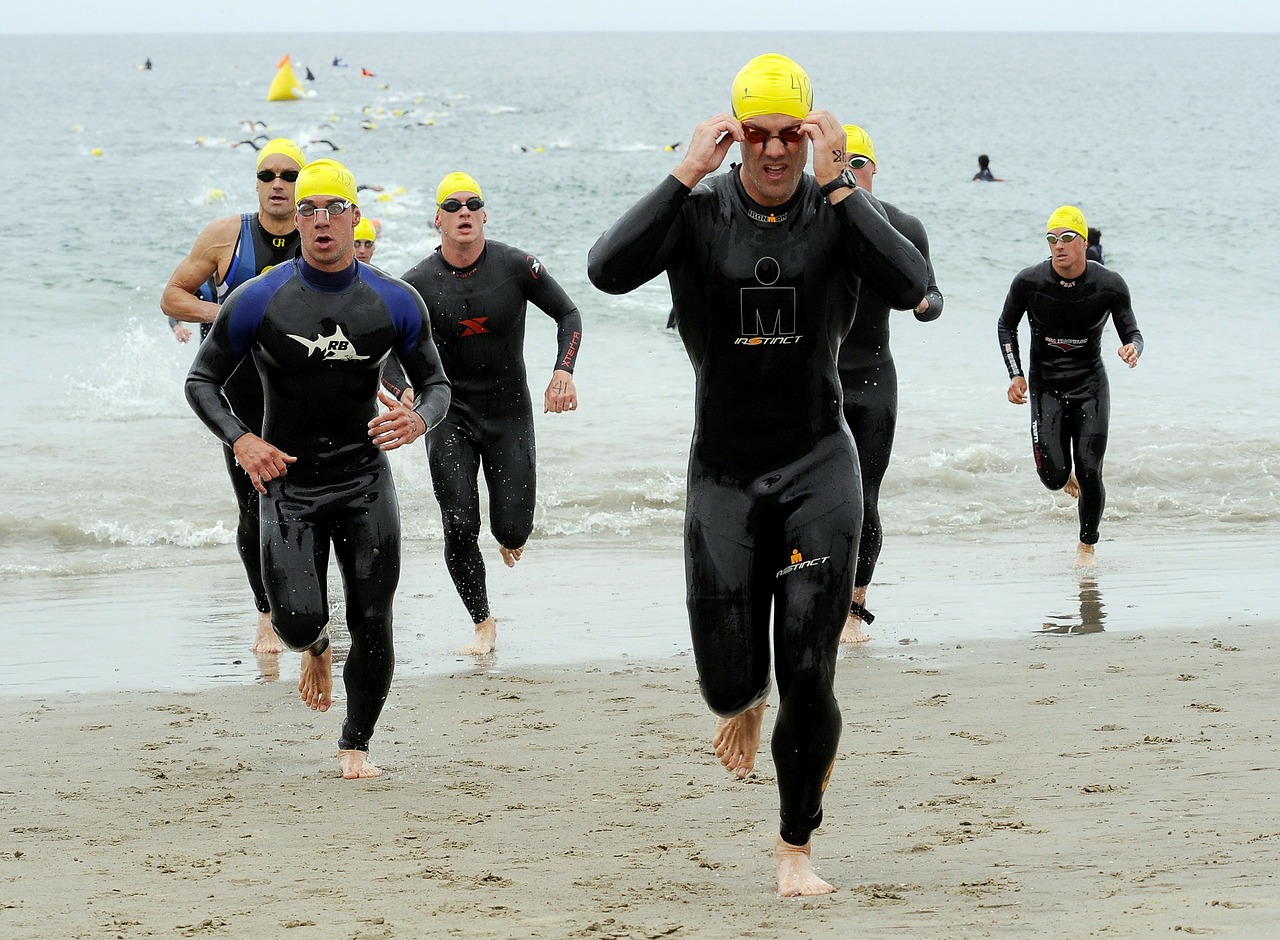
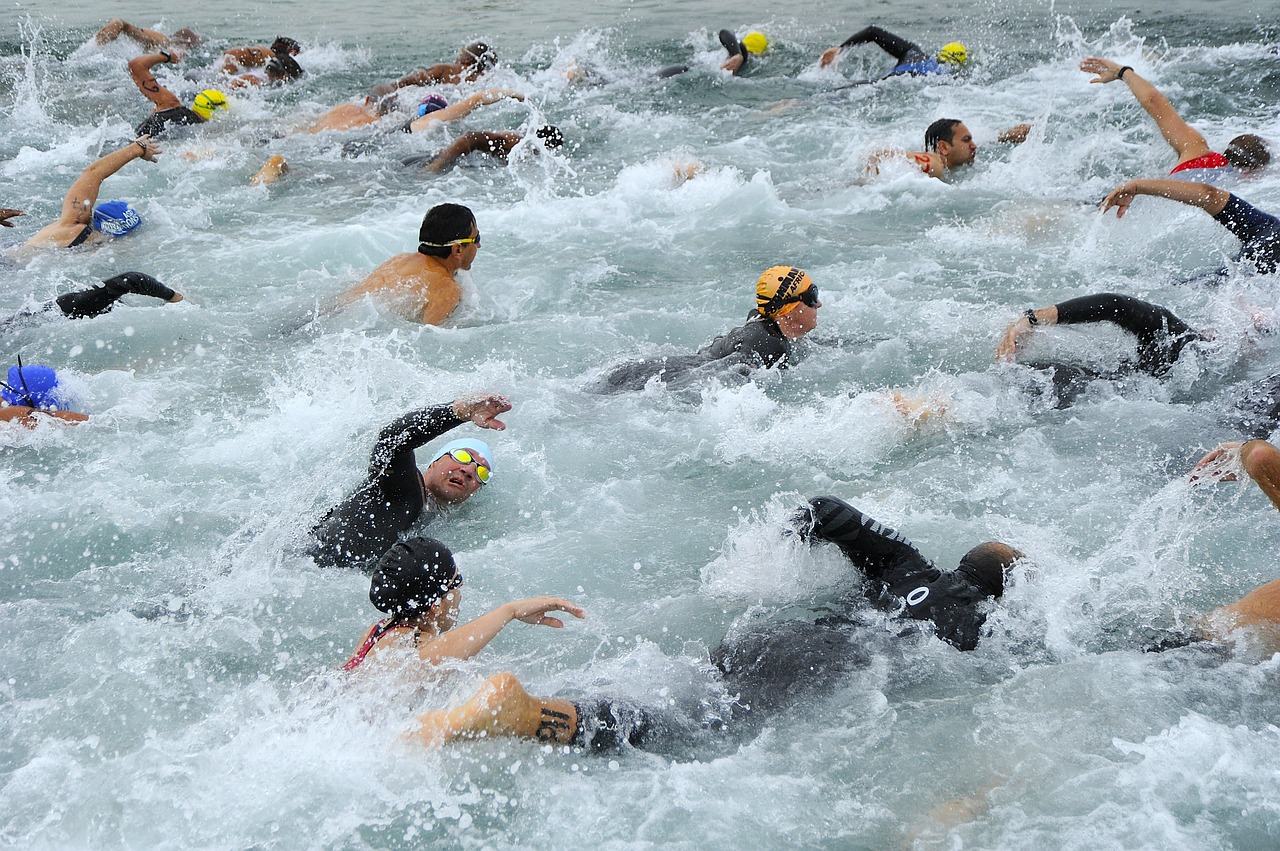
Racing is a little like war. The swim part of an Ironman is definitely like Naval Battle…

Since posting the first part on this topic, I received a lot of comments.

Some, because they came from people I care deeply about, I feel I must address before going ahead with the discussion.

(OK, the comments I’m going to address came from my wife, but she is right, as usual.)

So imagine again, if you will, the third scene from Part 1, but in a slightly less gory way:

At an ironman distance triathlon, a whole bunch of participants push so hard that for the most part they collapse upon reaching the finish line. Only a few, having not quite given it their all, still manage to remain functional, walking around and re-hydrating, speeding up their recovery through some (very light) stretching and eating.

Then catastrophe hits: A tsunami is announced, and everyone must evacuate immediately!

But guess what? It’s everyone for himself or herself! Only those who are still functional can escape and survive. Those who collapsed at the end, those who abused their bodies too much during the race, are swept away by the wave, never to be found again.

Only those who survive can show up the next day to claim their spots during the roll-down for the World Championship…

Still perhaps not the most realistic scenario, but now we’re getting to the point I’m trying to make.

Racing to the point of collapse, of total exertion, of no longer having the resources to continue acting for yourself after the finish, is a bad idea. For many reasons.

First, it causes serious damage to your body. This is what some are really talking about when they point out that running marathons or doing triathlon causes the equivalent of 20 years of physiological damage. It is not the training regularly, which we all pretty much agree is in fact good for your health, that is causing the damage: it is the abuse of racing “all out”. (And sometimes of training too hard all the time.)

And even though a fit runner or triathlete will recover, some of the effects of the racing linger. Accumulate over time. So your body ages by 20 years in a few hours, then over days it becomes younger again, but never by quite the same amount. That is why elite racers never last very long in those sports, with a few exceptions. Going all out takes its toll on your body.

Second, it means you need a lot more time to recover after a race. Some might say that is fair, since after all you performed a “great feat”, obtained a personal best, etc. Something to be proud of, to be sure. But that recovery time means you cannot go about your normal activities for a while. It means you lack fitness, in the biological sense.

And during that time your body is more prone to infections. Again, while we all pretty much agree that regular exercise helps the immune system, being exhausted in fact depresses immune functions. For a while. It is commonly known among triathletes that you are most likely to get sick right after your “A” races, when you’ve pushed the hardest of the season.

And those are just the two main, physiological reasons. Racing all out, it could also be argued, frequently makes jerks out of people. But that is perhaps a different topic, best left for some other post…

So what is the alternative?

It is what I call racing like a Defender.

A Defender knows that more may be demanded of him (or her) later, so training and racing are intense but never all out, never to exhaustion.

Just like their namesakes of Antiquity and Medieval times, Defenders aims to protect what is precious to them. In the past it would have been the lives of their families; in racing, it is their own health. So the pretend fighting that racing in a way represents is done in such a way as to promote fitness, not take it away.

Conversely, someone who goes all out all the time can be thought of as an Aggressor, or an Invader. These are often fanatical in their drive to win, to conquer. And fanaticism is pretty much the opposite of having a well-balanced view of the world. It is not a peaceful, healthy way of living.

In the final analysis, and this is my racing philosophy, when you cross that finish line you can consider that you have beaten all of those who collapsed, needed medical attention, or are generally not able to function normally after a race. If you can still fight, figuratively speaking, when you are done, then you have prevailed over those who cannot (still figuratively; I do not condone any kind of violence, during or after competitions).

Even if the official rankings don’t reflect this philosophy, you can take pride in your achievement.

Think like a Defender, and consider what you could still have done after the race. Consider how you could still have outrun the tsunami (with proper warning, of course).

Racing is not about how well you rank compared to others. It is a motivational device, to keep you focused.

What really matters is your health.

Defender, Health, Fitness, Racing

Could you still run away if your life depended on it?

Photos by Pixabay.

Defenders – Part 1

Battle, Defenders, Antiquity

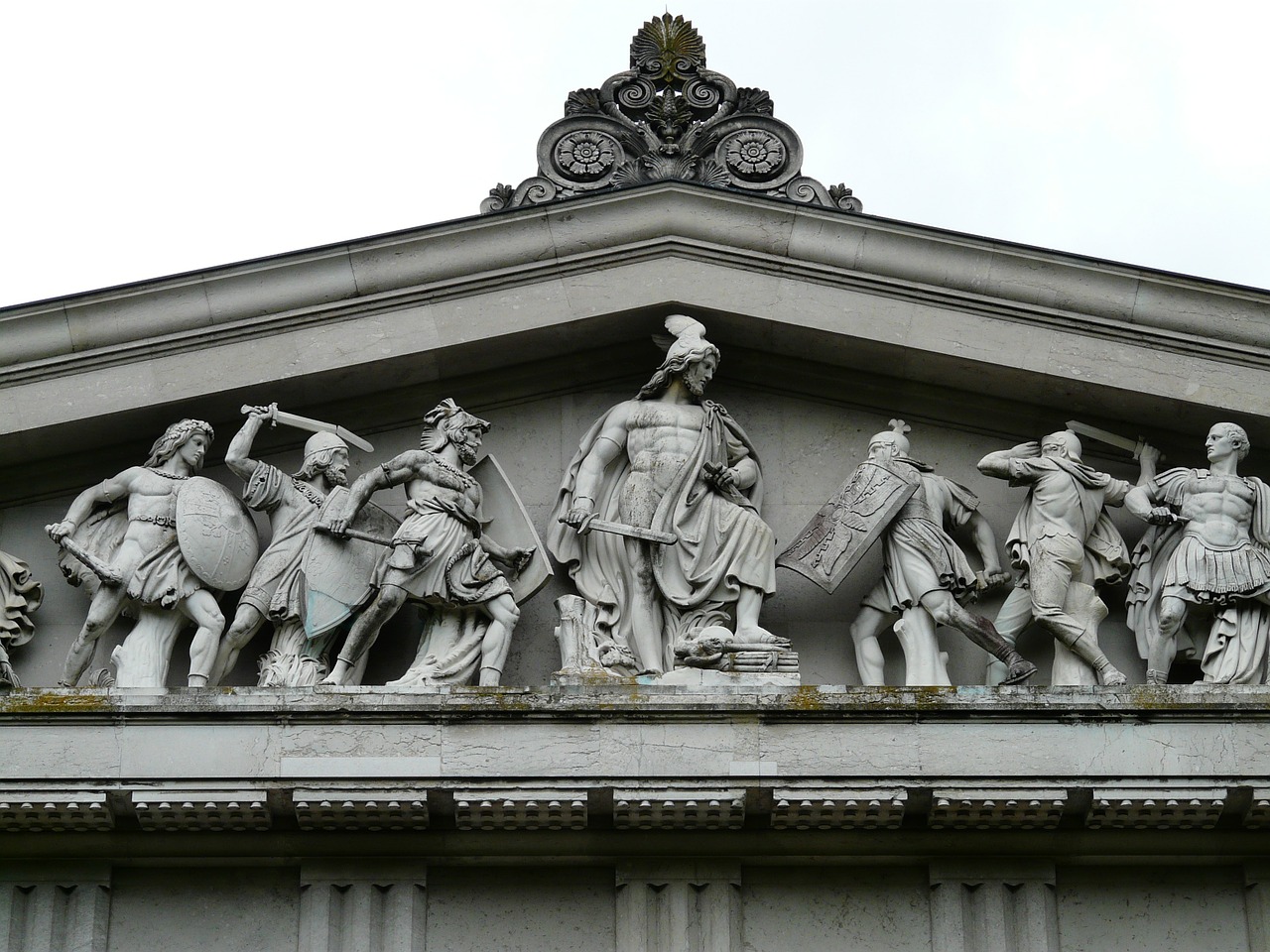
Are you ready to fight?

Imagine the scene:

The time is Antiquity (think Ancient Rome or Greece), or perhaps the medieval Dark Ages. The place is a fortified City-State.

One sunny afternoon, an invading army shows up and attacks the city. The king of the city-state calls upon his soldiers to man the fortifications and defend the inhabitants against a fate possibly worse than death…

“But, Sire,” the King’s General replies, “our soldiers had a big training exercise this morning, and they are too tired to fight now. This battle was not scheduled, so I’m afraid we must ask for a postponement, or surrender the city.”

Somehow, I don’t think that answer would go down well with the King…

(It stands to reason that if your job is to defend a city, or uphold the law, or put out fires, you must be in good shape. You must strive for fitness. But you must also always be ready to do what must be done; training so hard that you are then incapacitated for a time is not a good strategy.)

Ok, here’s another scene, for your continuing imagination:

Similar time, similar situation, but now the invading army has been spotted ahead of time, and the King decides to dispatch his troops to a specific location where they will have a tactical advantage over the advancing enemy.

“Grab your weapons and make haste, men!” yells the King. The General and his troops leave in earnest, running as fast as they can to reach the location that will give them the desired advantage.

But they run so fast that, when they get there, they are so tired that they all collapse in a heap, and get massacred by the invaders.

(It is a little known, but historical fact, that armies in antiquity ran to battle, and had to arrive ready and capable to fight. Especially if you are trying to gain an advantage in the field, there is no point in exhausting yourself before the battle even begins. You must be fit enough to get there and fight; you must pace yourself and make sure you have the strength to defend your home and family…)

Why am I telling you to imagine these scenes?

Because I want to talk about Weekend Warriors, and a particular philosophy of racing.

But before I do, imagine a third (and final, for now) scene, taking place much closer to us in time:

Some guy is racing in an Ironman triathlon and is doing fairly; there are lots of folks ahead of him, but many more behind. He is not going as fast as he could, however; at any rate, he is not racing so hard as to get to the finish line completely exhausted.

As he finishes, all around him other finishers also arrive; most collapse from fatigue. When they don’t collapse, they at least require a lot of attention and must rest a great deal of time before being able to move on and rejoin their families. They’ve given it their all, so to speak.

The guy who did not collapse upon finishing tears off a leg from a table, or grabs a folding chair, and proceeds to beat up (and kill) all the other finishers that arrived before him.

Having thus eliminated his competition, the guy can claim a spot for the World Championship during the roll-down the next day…

(So, not a very realistic scene, and perhaps some of the organizers would manage to stop him before the rampage gets too bloody. And the guy would probably get arrested and also not be able to show up at the roll-down. But there’s a point to this, and here it is:)

In conclusion to Part 1, perhaps collapsing, or in general requiring assistance when you reach the finish line of a race, is not the best survival strategy. Not only can it do serious damage to your body, it all likelihood it will preclude you from going about your normal activities for a while.

Perhaps, as I’ll try to argue in Part 2, it is better to act more like a Defender when racing, and in life in general.


Photo by Pixabay.

Would you rise to the challenge?

Endurance, Fitness, Triathlon, Ironman

The author and his significant other, with Tom Knoll. The 81-year old is the guy in the middle, just to be clear.

A week ago I had the privilege of making the acquaintance of one of the original Iron Men.

Yes, I really mean one of the few who participated in the very first, the “inaugural” Iron Man Triathlon. In 1978. Before it was called Ironman; before it was a commercial brand. Well before you had to register a year in advance to participate.

Tom Knoll was at an even called Tri Mania being held at MIT in Cambridge (MA). It is a kind of traveling fitness expo dedicated to triathlon, visiting many cities over many weekends.

He was there to promote a triathlon race taking place in Atlantic City, and to sell his book, a kind of memoir of that very first Ironman distance triathlon.

There would be a lot to say about how that particular first event came to be, and I don’t want to undercut the sales of his book, but one thing struck me in particular, and that’s what I want to talk about today.

(By the way, the book is a quick read, and only $15, so if you get a chance, buy it. It is what books ought to be: a personal account of events, with a clear perspective and personality, not a manufactured product with an embellished story designed to captivate. Reality is captivating enough…)

Anyway, back to my point.

Tom Knoll was already a runner, and a career military man, when the event took place. A guy floated the idea of putting the event together, and started registering people. The date of the event was chosen in order for it to happen before two of the would-be participants had to ship out of Hawaii (more military folks, as you might guess).

So participants had a couple of months to train.

Yes, you read that right. A COUPLE of MONTHS. Not years, not many months. Two. (2).

And yet they rose to the challenge.

Not to win, not to compete against each other; just to see if it could be done.

Granted, these guys were fairly fit. They knew each other, for the most part, from running events in Hawaii. Some were swimmers with long distance credentials. Some had bikes already (some didn’t, or had not been riding much, or at all, since childhood).

Bottom line: The thought of attempting such a thing (which, just to be clear, had never been done at such distances, but already existed as a sport) was considered a little crazy, but a fun challenge. All they wanted to do was finish.

12 of them finished. Out of 15 who started.

Tom Knoll, although dead last out of the water (apparently, being in the Navy is no guarantee of strong swimming skills), came in 6th overall. He is “Ironman #6”. Only 5 before him ever completed an Ironman distance triathlon.

Here’s the kicker:

He was 46 at the time. The oldest of the bunch. Yet he rose to the challenge.

Not to win, not for recognition, not to go as fast as he could. But because it was a fun challenge.

Nowadays, we are too keen on competing, on going fast, on “being as good as we can be”, and we forget that we should be doing races because they are good for us. We should challenge ourselves not to be fast, but to go beyond our limits. (In a reasonable way, of course, so don’t go jumping into an Ironman race this summer because you read this. But do consider signing up for some race…)

Tom Knoll never participated again, but he continued to run. He has crossed the United States in both directions running. He has raised over a million dollars for charity with his running. He has remained active and fit throughout his life.

He is now 81, and still going strong.

What’s keeping you from rising to the challenge?

Thinking you are too old to begin? Too busy? Not fast enough to compete? Etc.?

Reconsider, please. And just do it because it is fun, and the right thing to do…


Photo credit: Some guy promoting the Atlantic City Challenge, using the author’s significant other’s iPhone.

The Principles Underlying Everything

Not everyone needs a deep philosophy in order to strive for better fitness, and ultimately health, yet this just might help some of you. For me, it is fundamental, and helps guide my actions on a daily basis, and the advice of No-brainer Fitness.

So allow me to state what I consider to be fundamental aspects of being human we must come to grips with in order to be optimally healthy. I call those “Principles” for what follows…

Brains, Animal, Evolution

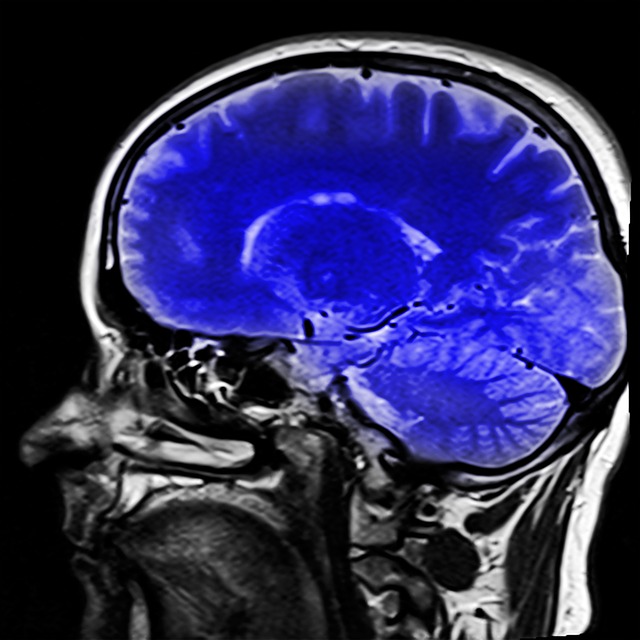
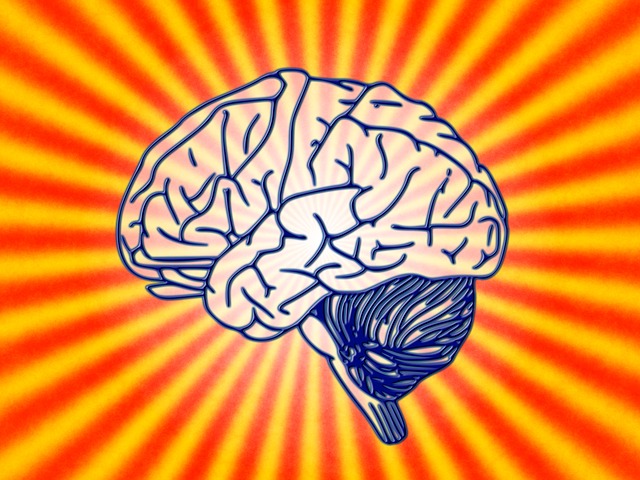
Our big brain, result of our evolution, cause of our problems and source of the solutions…

First Principle: We are animals. Animals with big brains, to be sure, but animals nevertheless.

Second Principle: Evolution is real. We have been, and continue to be, subject to evolution. That’s how we’ve inherited our animal bodies, and big brains.

Third Principle: We can be masters of our impulses. That’s where the big brains comes into play, in a variety of ways.

Fourth Principle: Sometimes we need help. There’s no shame in that; it’s called being human. Also something our big brains should be useful for.

So let’s have a bit of an explanation, for now, of those Principles (you can be sure that I will come back to these topics in future posts):

First Principle: Our bodies are part of nature, not something outside of it, different from it, or “above” somehow. We have faculties that set us apart somewhat in terms of what we are capable of, but they do not give us any special rights or dominion. If anything, with great power comes a fiduciary mandate to use it well (a.k.a. “great responsibility”).

Take for evidence how our closeness with our pets. This is in large part because we recognize in them aspects of ourselves. Many other species on Earth exhibit aspects of what we call human characteristics. Another piece of evidence: studies show that we recover faster from illness and surgery when afforded a view of nature…

Second Principle: our bodies are what they are because they have been shaped by the blind forces of genetics and nature. This has shaped what our bodies are able to do, what they need to thrive, but also how our minds work. Through hundreds of thousands of years we have become equipped with the means to be the dominant species on the planet, and to do away with much that was limiting in our natural environment.

In our current environment, this leads to two main types of problems: a loss of health due to over-consumption of previously scarce ressources (the modern diet), and widespread (and at times engineered) opportunities to distract ourselves from what would be well adapted behavior (lack of movement). A big brain that comes at least partially programmed to “take it easy” and eat as much as possible of things that are pleasant can be a terrible burden.

Third Principle: Given the first and second principles, it is very tempting to just give up, to admit defeat and say “that’s how things are, so it is not MY fault. BUT: as animals who have evolved to possess quite impressive intelligence, we actually have what it takes to deal with the situation.

A big chunk of it consists in using that intelligence, and an understanding of what drives us and what we need, to effectively fight the instincts and impulses that tend to cause us to not move enough and eat too much of the wrong things. It is possible; many of us are already doing it. We are all capable of doing it.

Fourth Principle: But let’s be fair: it is not easy. I’ll be the first to admit it (you can be second): sometimes I need help to get me up and moving, or to resist that brownie for dessert (or instead of a proper breakfast, for that matter).  There is no shame in being helped, and it is only right to be the help at times as well.

That help can take many forms, including laws to reduce certain negative influences or promote positive ones. But that is often counter-productive because of the fight against powerful, established interests, and, more importantly, the natural tendency of all of us to resist change that is imposed on us.

Acting one on one to change our habits and help each other is an essential, albeit longer-term, part of the battle. Vote with your forks, shoes, and wallets, everyday, and we will all be the change we need…

We have the brains, let’s make the most of them!

Brains

Let’s use ’em!

Photos from Pixabay.