Discipline: The 5 Practices – Practice 1

Exercise, Discipline, Sleep

Sometimes you need a little discipline. But perhaps not the way you think.

As I wrote  earlier on this blog, discipline is not the way to get going or even keep exercising.

For that, you need a Purpose. Otherwise, you’ll fail, or be very miserable in the process (or make a lot of people around you miserable, which is worse).

Discipline has more to do with strict regimentation of activities. It is a control mechanism, an enforcer of behaviour, not a motivation mechanism. So it is often tiring to use, depleting of energy, and detrimental in the long term.

But discipline is useful in many ways to keep you on target.

When you have a Purpose, at times you need to make sure you are able to stick to an exercising routine. You need to ensure that you do not put obstacles in your own way as you head towards a specific event/objective, or as you work towards better health through fitness.

So discipline enters into it, although perhaps not in the way you might expect.

This series of posts will discuss and illustrate what discipline is all about, and in which aspects of your life it can help you to move towards your goals.

There are essentially 5 ways, or 5 practices, of discipline to consider, in my estimation. Today I’ll cover the first practice; it is one that you may never have thought of as having anything to do with “discipline.” But under my definition it is.

Discipline Practice 1: Sleep

Get enough sleep, every day (night), both in quantity and in quality.

In a society where sleep is vilified, derided as a waste of time, is it any surprise coffee shops are doing so much business?

We live in a time of denials: denial of our deep connection to all living creatures, which causes us to destroy our environment; denial of our own limited knowledge, which causes us to think we can feed ourselves highly processed nutrients and it will be just as good as natural foods; denial of our animal nature, which leads us to believe we can function outside of the natural cycles we have evolved with.

I want to focus on the third of these denials, because it is driving us crazy, and preventing us from being as fit and healthy as we can be. I’m talking about our conviction that we should only sleep a few hours per day.

How often do you hear someone say things like “I only need 5 or 6 hours of sleep per night”? Or make even more extreme claims of that nature? Yet science is pretty clear on the subject: we need 7.5 to 9 hours of sleep per night, on average, to be fully functional.

Sure, you can get by less than that for a night or two in a row, but when you start accumulating a sleep debt, you rapidly get in trouble. Some people, a very few, can get by with less than the average (that’s why it’s an average, but that also means some need more). Those of us not getting enough sleep are asking for (and often getting into) trouble.

Read the Signs

Our society is making it sound like sleep is useless. But just watch the daily habits of those “more than 6 hours of sleep per night is a waste of time” folks. I guarantee you’ll see more than one of the following behaviours:

  • Lot’s of coffee drinking in the morning
  • So-called “energy drinks” during the day
  • Pastries and muffins for breakfast
  • Sweets and high-calories snacks
  • Meals eaten “on the go” for breakfast and lunch
  • Working in the evening
  • Not much exercising; if any, typically short and intense workouts
  • TV watching late at night

It is a “go, go, go!” lifestyle fueled by lots of drugs (caffeine, mostly, I hope) and lots of stimulating food (i.e. sugary, fatty). And with a constant bombardment of false urgency coming from work and the media, and the occasional short burst of intense activity.

When they finally fall asleep, it is only because their bodies are so tired that they manage to overcome the stimulants. Then they wake up groggy and tired, but won’t admit it, and start the cycle all over again.

This is no way to live. It takes a toll on your body, in many ways: lack of energy, weight gain, trouble sleeping (paradoxically, but not unexpectedly).

So, what are we to do about it?

Let’s face it, a healthy lifestyle starts with good sleep.

That’s why the first practice of discipline consists in going to bed; having what some call “good sleep hygiene.”

So the first discipline you need to cultivate is to get to bed at a time that allows you to get enough sleep to fully recover from the hard labours (including exercising) of the day.

What does “get to bed” mean, exactly?

Getting to bed is not a milestone, a point in time: It is a process. It begins earlier in the evening, or even earlier in the day. It includes:

  • Not drinking coffee or tea, the caffeinated versions, in the evening or even the afternoon.
  • Choosing calming activities in the evening; if you need to exercise in the evening, do so earlier in the evening, preferably before dinner.
  • Establishing a routine (brushing teeth, perhaps a shower, some light stretching, etc.) that excludes watching TV or surfing Facebook before going to bed, or worse, while in bed.
  • Doing some light reading with yellow-neutral lighting for a few minutes before falling asleep. (And I do mean reading from one of those old-fashioned things called “books,” not from the screen of a computer or tablet…)

Until it becomes an ingrained routine, a habit, you may need to force yourself. You may need to discipline yourself to sleep better. It may feel strange at first, as if you are letting someone down. But in fact you are putting your health first, and that’s a good thing.

It may feel as if you are not getting as much done, but you’ll soon realize that a lot of what we do is not that urgent. And you’ll learn to prioritize better (because it is amazing how much time we waste in a day).

So, starting now, use Discipline Practice 1. Set a trigger time by which to begin your pre-bed routine, and hit the sack at the time you’ve chosen, no matter what.

You’ll feel better in the morning, and you’ll be more capable of doing all the things you might have postponed the night before…
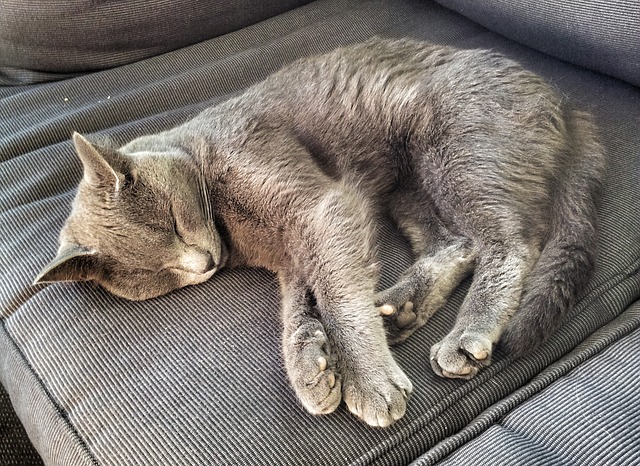
Sleep, Health, Fitness, Everyday, Exercise, Discipline

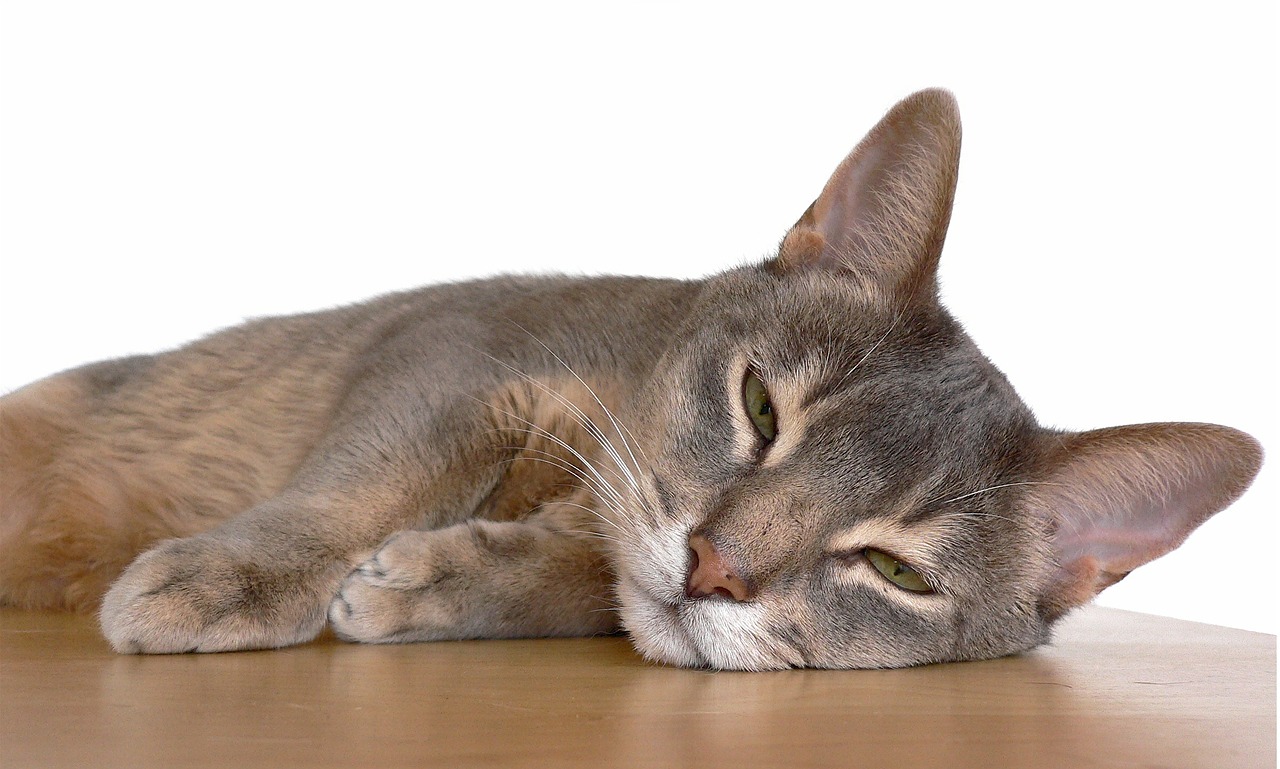
Some understand the importance of sleep. And let’s face it: Cats are cute.

Pictures from Pixabay.

Thinking about getting fit in the New Year? Why wait? Start getting fit right now.

Holidays, Exercise, Habits, New Year, Resolutions

Looking forward to all the food and sugar you’ll eat during the holidays?

The holiday season is just around the corner. And then it will be a New Year.

So many of us take the New Year as a signal to start an exercise program it has become a cliché. A tired one at that.

Part of the reason we want to start an exercise program in the new year, of course, is the abusive regimen we put our bodies through during the festive season. Another part of it is the logical attractiveness of a new calendar, with all the associated renewal and new beginning.

But those are illusions, and contribute to the very high rate of failure of those very same resolutions.

Simply put, if you really mean it, there is no point in waiting for January 1st. Why wait? The best time to start a new set of good habits that will lead you to better fitness is today.

As an additional bonus for starting today, having the “excuse” of being on a new tract towards better fitness is an excellent way to limit the damage of over-indulging during the holidays. And it also an excellent conversation topic, and may spread much more joy around by being more reasonable (and limit the spread of mid sections in your entire family).

“But, wait, in order to start now, don’t I need to join a gym, or buy expensive equipment?” I imagine some of you asking.

No. Not really. Not at all, as I’m about to show.

(Though asking for a few useful pieces of equipment as Christmas gifts can also be a very good idea, by the way.)

Here’s the recipe I’ve come up with, based on all my reading and experience, to get you going immediately and have a much more healthy holiday experience and a head start on your fitness for years to come:

1) Start using your body more to move around

You don’t need any special equipment. Just look for opportunities to walk more, take stairs more, not sit as long as you normally do. Every time you move, you score a small victory: make it a game and keep score. As you graduate through the levels of moving around, you might want to reward yourself with a pedometer (to keep a more accurate count) or a FitBit, or just start using your smartphone for much better purposes than reading Facebook updates… After 3-4 weeks on this stage, with new habits in place, move on to the next phase.

2) Start re-building your muscle mass

Yeah, this is the not-as-much-fun part, I must admit, at least at first. But it is oh so important. What is often neglected when talking about reduced metabolism as we age is the fact that we lose muscle mass, and that it is muscle mass that burns the most calories. The best use you can make of a few minutes in the morning is to do some simple exercises like squats, push-ups, sit-ups, etc. Look into the 7-minute Workout and adopt it on a daily basis. Then reward yourself, perhaps with a set of shiny weights or kettle bells, or a very nice dinner out. After this becomes a habit, 3-4 weeks of focused effort, move on to the next phase.

3) Put a sport in your schedule

Play is the best way to spend energy without noticing. And it is fun. If you’ve ever played a sport competitively, or just for fun, when you were younger, pick it up again. If you never did, then become a “big kid” and pick one up. Not competition, just playing. You’ll soon come to realize that it is better to do something than to watch it on TV. Do it with your spouse, with your kids even; a family that plays together, spends quality time together. A brand new badminton racket, or new court shoes, make very nice rewards for being more active. Again, take a good 3-4 weeks to make this a new habit before moving on to the next one, and keep room in your schedule for this from now on.

4) Sign-up for a walking, running, or cycling event

By this point it will be spring time, or very close to it. There are many running shops and fundraising programs that offer training for various local events to be held during the summer; in those events you can walk or run, or bike through various distances. These are great ways to get with a group of people working towards a fitness goal, even as you all work together to help others. And you can do this at your own pace, quite often with coaches that are eager to help you at no charge. The event t-shirt and/or finisher medal make rewards enough for your achievements, though I know a lot of people who conclude such event with a bottle of bubbly… I don’t even need to tell you to do this again each year, or multiple time per year, because once you try it, you’ll adopt it.

You notice a pattern of “effort and reward” emerging? Nowhere am I suggesting you need to spend first, and then exercise: That’s often why people feel particularly bad about failing in their resolutions.

What I’m hinting at is that you can start doing the right thing, right now, with a future reward in mind. When you get to the reward, you can set the next goal. It comes from within yourself, not from feeling bad about having spent money.

Also, note how I’ve not told you to join a gym. You don’t need to. But it could come later, if you feel like it. However, getting fitter right now begins at home and in your daily activities. Again, with minimal expenditure.

One final note about the coming holidays

It is part of the recipe in general, but not a specific step in the program, or it would be “step 0”: Consult the list of NOT FOOD items and make a conscious effort to remove them from your habits.

Do this gradually, not all at once, but do it. Just removing liquid sugars (pops, fruit juices, etc.) makes a HUGE difference. With each step (1-4) outlined above, pick a NOT FOOD item you want to work on reducing and eventually eliminating from your life. Your body will thank you for it by getting fitter faster, and, incidentally, getting leaner in the process.

So, instead of indulging and feeling bad this holiday season, spread the cheers and the word about getting fit. Get a head start on the holidays by starting today.

There’s nothing stopping you from having the best holiday season ever.

Rewards, Habits, Effort, Exercise

A bit of celebrating, when it is as reward for your accomplishments, is always good for you.

Pictures from Pixabay.

You had better stand up to read this

Sitting, Chair, Daily, Movement

Sitting too long is BAD for you.

Are you sitting comfortably?

Then you want to stand up before reading this.

Standing now? Good.

Now we can begin.

It won’t take long because the topic is essentially simple: Except for a “lucky few” who still have jobs demanding that they spend a lot of time moving about, we tend to spend far too much time sitting.

Far too much of the work we do appears to require us to be sitting. At least, the work environments for a wide range of modern careers involve sitting at a desk.

The rest of the time, we are sitting in our cars, at tables having food, or on couches watching others move (typically on a screen) but staying put ourselves.

Although it is not a topic that’s been much in the news (yet), research findings point very accusing fingers to chairs as being a problem. Why?

1) The act of sitting does nothing for our metabolism. It is so convenient that our bodies essentially perceive the position as almost total rest. Even for people who have a good training routine, spending a lot of time sitting (presumably at work in their case) undoes the benefits of regular, intense exertion.

2) Perhaps more pernicious is the fact that the sitting position, in which we end up spending a lot of time, is exactly the wrong position for our muscles and bones to be in. Weight-bearing structures in our legs adjust to the sitting position because that’s what our bodies do; in doing that, they lose their ability to handle the standing position, including walking and running bouts.

The second effect is also responsible for a gradual loss of capabilities in the elderly or injured: folks who start having problems moving about and obtain assistance from wheelchairs and electric scooters rapidly come to require them all the time. Their bones and muscles become weaker, so they use the chairs more, and enter a vicious cycle.

What are we to do?

For starters, do what you are (or should be) doing right now: Stand while you do other things like read, talk on the phone, think, etc. In fact, any other position than sitting is better.

Second best, but a good habit to take: While it is difficult to do some types of work while standing, you must program regular “stand up moments” into your work routine. (Whether you use those moments to go tell jokes to your colleagues, or just stand by the water cooler for the latest gossip, is entirely up to you.)

Never sit for more than an hour at a time. Take frequent standing breaks. Try to do more of your work while standing. The benefits go beyond fitness and health: moving about while talking or simply thinking about a situation is also reported as providing more dynamic conversation and better ideas.

Not quite ready to take my word for it?

Then keep on standing a while longer, and read this article in Scientific American.

I waited until the end to provide the link, in the hope of keeping you on your toes, or at least on your feet, a little longer… You can thank me later.

Picture from Pixabay.

Sometimes, you just gotta take some time off

Rest, Sickness, Exercise

Sometimes you just gotta rest…

I have a confession to make:

Although I’ve completed an iron-distance triathlon, a couple of half iron distance races, and 3 or 4 marathons (beyond the one of the annual Ironman(TM) race I participate in) every year for the last 7 years, and you could say I’m in pretty good shape (for my age), sometimes I take time off.

In fact this year I’ve taken quite a bit of time off for various good reasons. There was minor (but cumbersomely placed) surgery in the spring and a lot of traveling throughout the year (not to mention a stress fracture in my left foot during a marathon). But one of those reasons is why I’m taking some time off right now: I’m sick.

Exercising regularly and being careful what I eat, my health has never been better. This I know objectively, as well as through the way I’m feeling. But I’m still exposed to a lot of bacteria and viruses just by remaining minimally social, using a lot of public transit, and living with a healthcare professional (who happens to be exposed to a lot of stuff at the hospital).

So once in a while I get sick.

Not often, mind you, and, because my immune system is in great shape, it never lasts very long. I take a couple of days of complete rest from training, even going as far as spending most of that time in bed, and in no time I’m up and about doing my regular activities again.

Some folks might try to convince you that by training hard, or eating particular foods, or consuming a specific supplement, you will never get sick. That’s utter nonsense! Such people are trying to sell you something. They are also either lying through their (cavity-free, no doubt) teeth, or at least suffer from some sort of selective memory syndrome.

The simple truth is that, unless you live completely isolated from all other human beings, everyone gets sick once in a while.

However, what is well demonstrated in the medical literature and backed by a lot of athletes at all levels is that exercising regularly, even training hard (but without over-training), strengthens your immune system. Combined with taking good rest when you are sick, and continuing to eat well, you will heal faster and recover from the little bout of whatever ails you if you exercise regularly.

The key is to move a lot, on a daily basis, and rest well when you get sick. No great secret, no magic bullet. Just working with your body.

This being said, I’m going back to bed. If my cats will give me a bit of space on it…

Picture from Pixabay, and not of one of my cats (but of the same species)

What makes a good coach – Part 4 (End)

Coach, coaching, sports, training, exercise

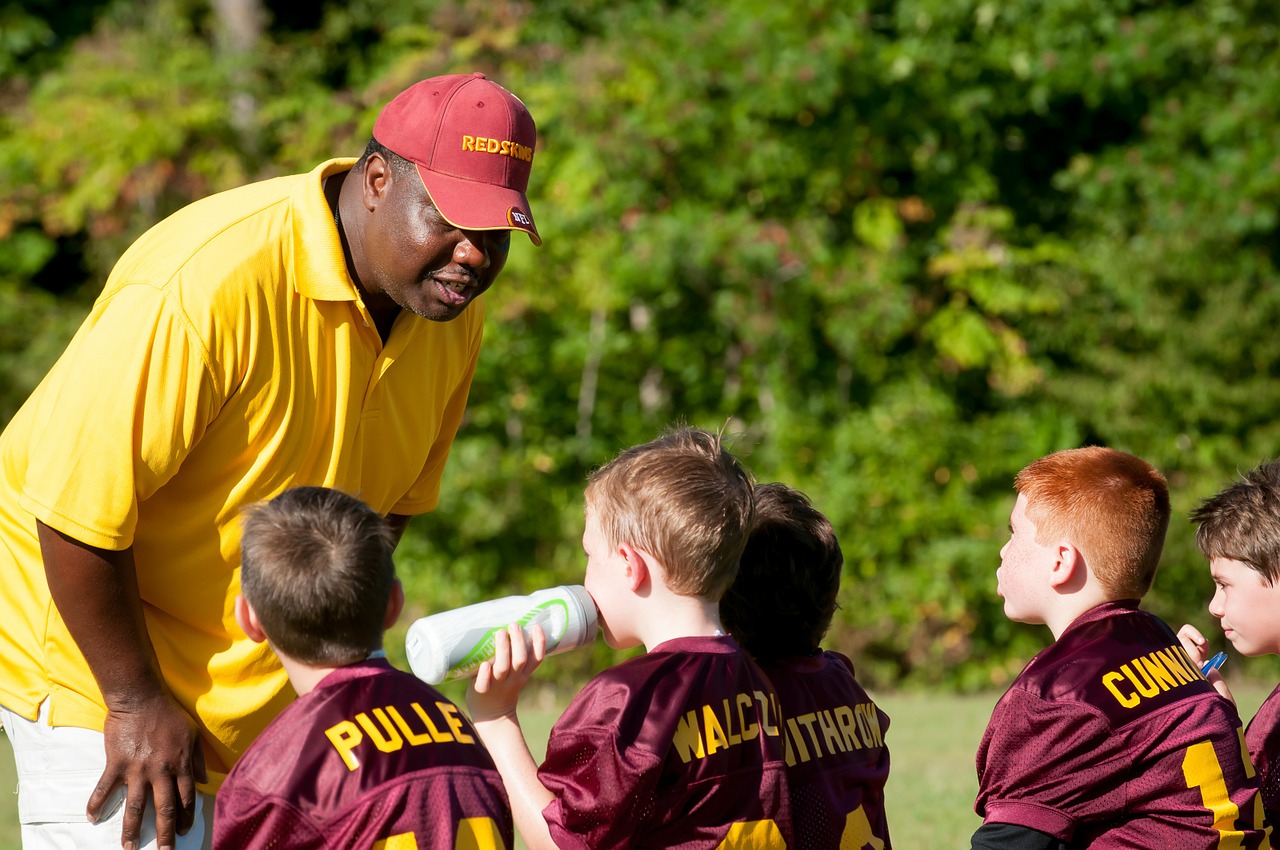
What makes a good coach? Lots, it turns out…

So, what makes a good coach?

If you have read part 1, 2, and 3, on this topic, your patience is about to be rewarded. No more discussions, no more illustrations, no more stories. Just my take on the question.

(But rest assured, there will be more stories later. There are always more stories later.)

Here are the qualities and attributes that make a coach truly good, based on my years of experience on both sides of the question. They are not in order of importance; I consider all of them equally important, but I had to organize the list, somehow. Consider that the earlier attributes in the list are, in some cases, prerequisites for the later ones…

The List

Athletes come first
A good coach puts the interests and health of the athletes before his or her own. So it should no longer be acceptable to put athletes through a meat grinder to extract a few star performers if you end up burning out the vast majority of hopefuls. And the converse is true: It must be acceptable that some athletes want to have a great time doing sports, but not necessarily aim to go to the Olympics.

Knowledge
A good coach is very knowledgeable in the sport(s) being coached, both the overall aspects (rules, tactics, etc.) as well as the techniques that are considered optimal for athletes to use in performing the sport.

Teaching
A good coach is able to teach the sport and its techniques to athletes. This goes beyond demonstrating the correct techniques: It is about being able to understand in what ways the athlete is not succeeding, and finding ways to gradually bring about changes in the athlete’s technique.

Customization
A good coach can adapt to the level of athletes, providing customized instruction and training programs that are suited to their own needs, instead of pushing a standard program onto everyone. You might say this goes hand in hand with teaching, and you would not be wrong; however, some aspects of this can exist where no proper teaching is found.

Planning
A good coach is also able to adapt the training so as to make progression fun and not seem like hard work. Basically, being able to plan individual training sessions so that athletes enjoy them even as they learn, and planning those sessions so that they fit neatly into an overall development plan. Especially for younger athletes or kids beginning in a sport, but I strongly suspect this approach would have significant success with adults who try to maintain a resolution to exercise more.

Role Model
A good coach exemplifies fair play and sportsmanship, and insists on it, no matter what, by being respectful of the rules, those who are in charge of enforcing them, and other athletes involved in the sport. Name calling at referees and treating opponents like enemies are not acceptable, ever.

Constructive
A good coach congratulates and motivates in a constructive way while sparingly using negative feedback. Basically, a good coach should only need to smile to show appreciation, but doesn’t, and frown to show displeasure, and does never more than that.

That’s it

This is a tall order. In some ways, almost impossible to find; at any rate, very demanding of the coach to perform all the time.

I feel that is why many coaches choose to focus on a type of coaching that does not require all of those attributes: By coaching highly committed adults, those I might qualify as passionate to the point of being obsessive about a sport, it is possible to get by with deep knowledge of the sport and techniques, and forget the rest. But that works only as long as the athletes are self-driven, and don’t particularly care about their own long-term health.

The key thing, when you are an adult interested in picking up a sport like running or triathlon (or any other, really), is that you should seek a coach that suits you. I encourage you to use the above list as a reference, but your own needs come first.

If you are a parent, you should look for the listed qualities in your kids’ coaches, and act accordingly. If you are considering coaching kids, your own and/or others, you should really keep the above in mind, and pick-up the knowledge and habits you’ll need. And keep your own emotions, and ambitions, in check.

And if all you are interested in is joining a group to have fun with a cheerleader-coach, then by all means, do so. The important thing is to move more. Yet I encourage you to ask for more, and expect more, of yourself as well as of others…

A few more words

A lot of what I wrote has to do with personality, at least on the surface of it. It is true that some personalities are ill-suited to be coaches, just like some athletes are impossible to coach. But it is not just about personality: It is about a fundamental attitude that coaches need to have.

No matter what their own ambitions and motivations, good coaches act in such a way as to show those qualities. They understand that the needs of the athletes are more important, and that if they do a good job as coaches, the rest will follow: good athletes, good performance, opportunities to coach at a higher level maybe, etc.

Knowledge, it must be noted, can be acquired in many different ways. No need to have a degree in sport physiology, or to have been an elite athlete.

Teaching is by far the least obvious part in the list. It takes skills, and time. And patience. But coaching is too important, because of its potential impact on athletes, to be given any less.

Finally, if you can’t be a good role model, if you don’t show respect to others as a coach, what kind of athletes will you have?

Have I forgotten anything? Let me know what you think…

Picture from Pixabay